
.png?width=700&height=250&name=General%20Banner%202026%20(1).png)
AGENDA 2026
07:30–08:00
Registration for Educational Breakfast
08:00–09:30
Investing in the Real Economy – A Practical Conversation on Additionality, Intent and Attribution
Breakfast Workshop (Asset Owners Only)
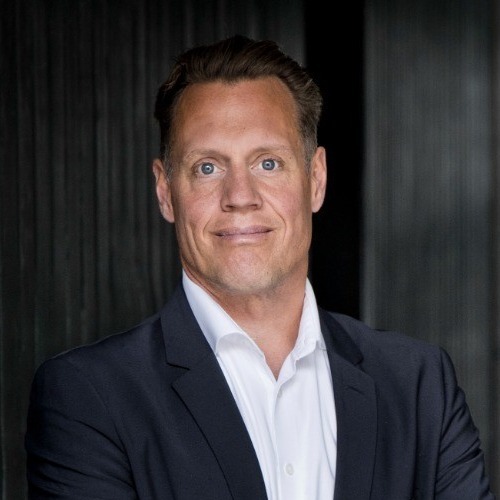
KRISTOFFER NILAUS TARP
Head of Investor Relations, Impact Fund Denmark
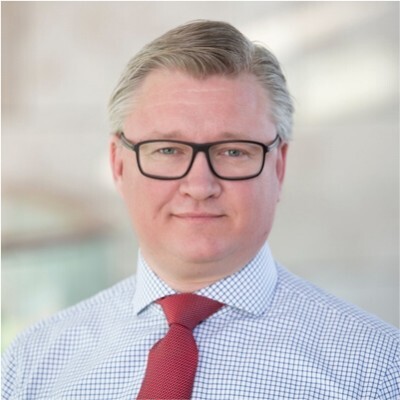
MIKKEL KALLESØE
Head of Impact and Sustainability, Impact Fund Denmark
9:00–10:00
Registration General Attendance
10:00-10:15
Opening Ceremony and Remarks
The Impact Stage
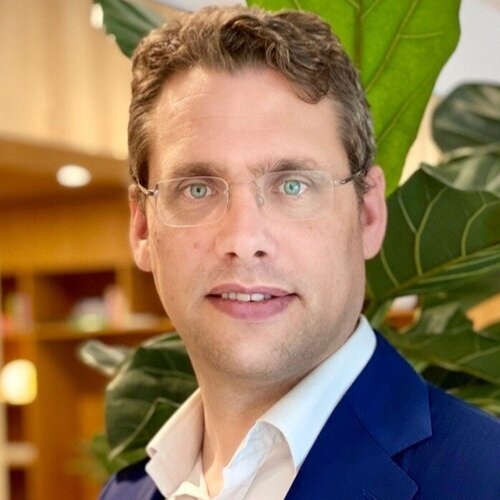
DIRK MEULEMAN
Chairman, Phenix Capital Group
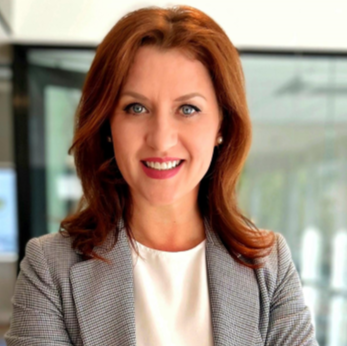
YANA KALOSHINA
Managing Director, Phenix Capital Group – Impact Events
10:15–10:25
Virtual thought leadership message
The Impact Stage
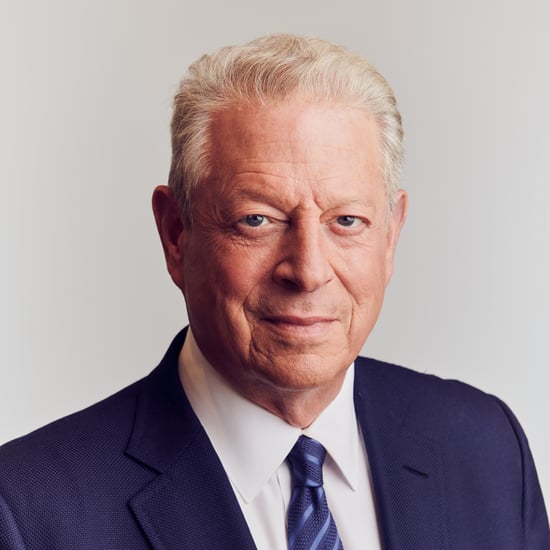
Hon. AL GORE
Former Vice President of the United States,
Founding Partner and Chair, Generation Investment Management
10:25-10:40
Investing with Insight: Navigating a New Global Reality
Keynote Speech
The Impact Stage
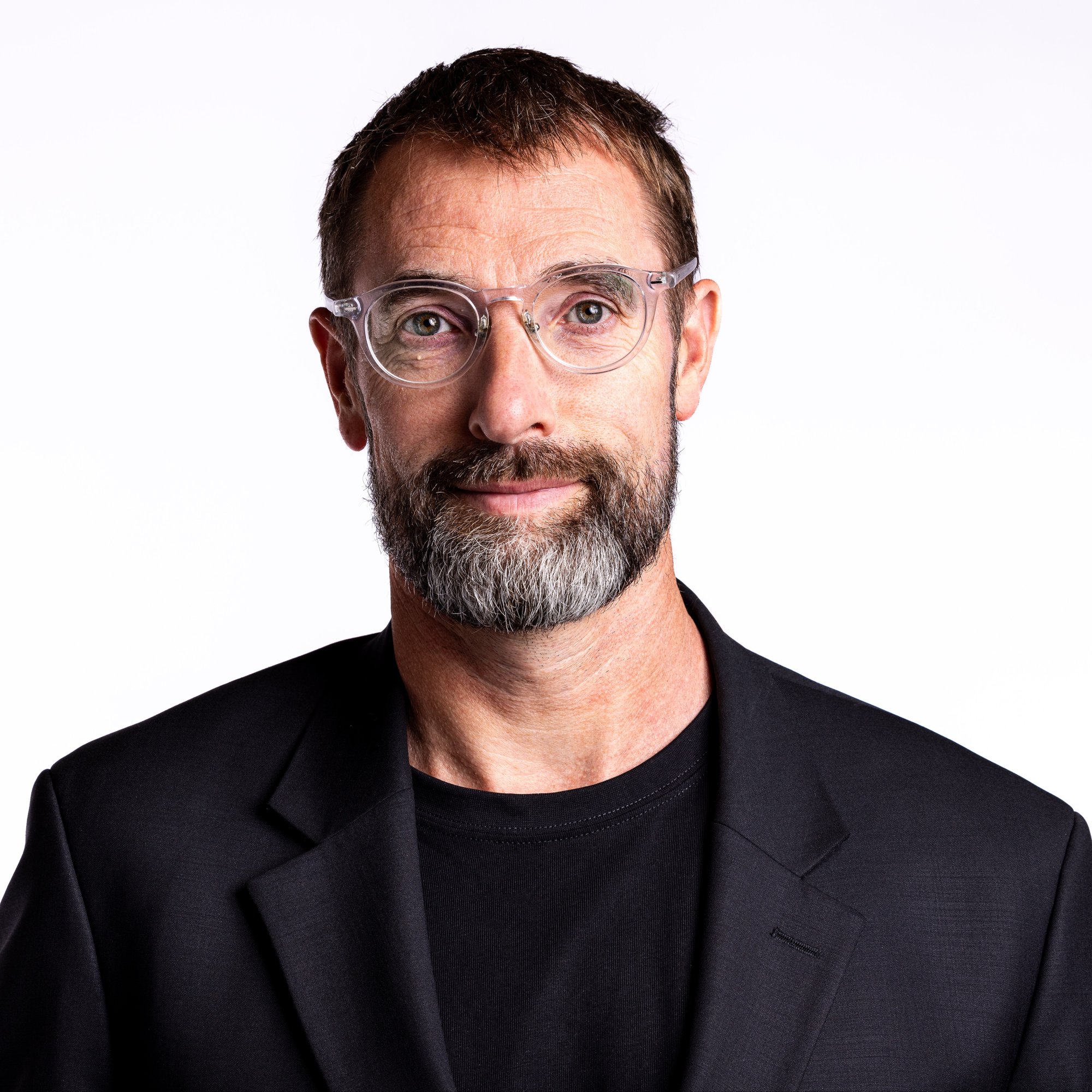
HANS STEGEMAN
Chief Economist, Triodos Bank
10:40–11:30
The Maturity Curve: Expanding Impact Portfolios from Pilots to Strategic Investment
Executive Investor Panel
The Impact Stage
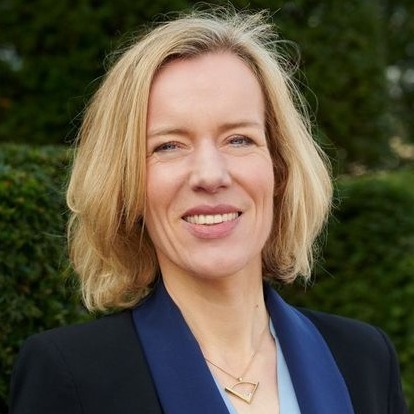
CLAUDIA KRUSE
Chief Sustainability and Strategy Officer, APG Asset Management
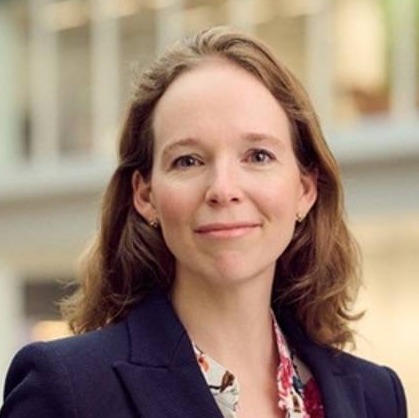
GABRIËLLE KRAPELS
Chief Policy Officer, PGGM
SØREN PETER ANDREASEN
Deputy Chief Executive Officer, Impact Fund Denmark
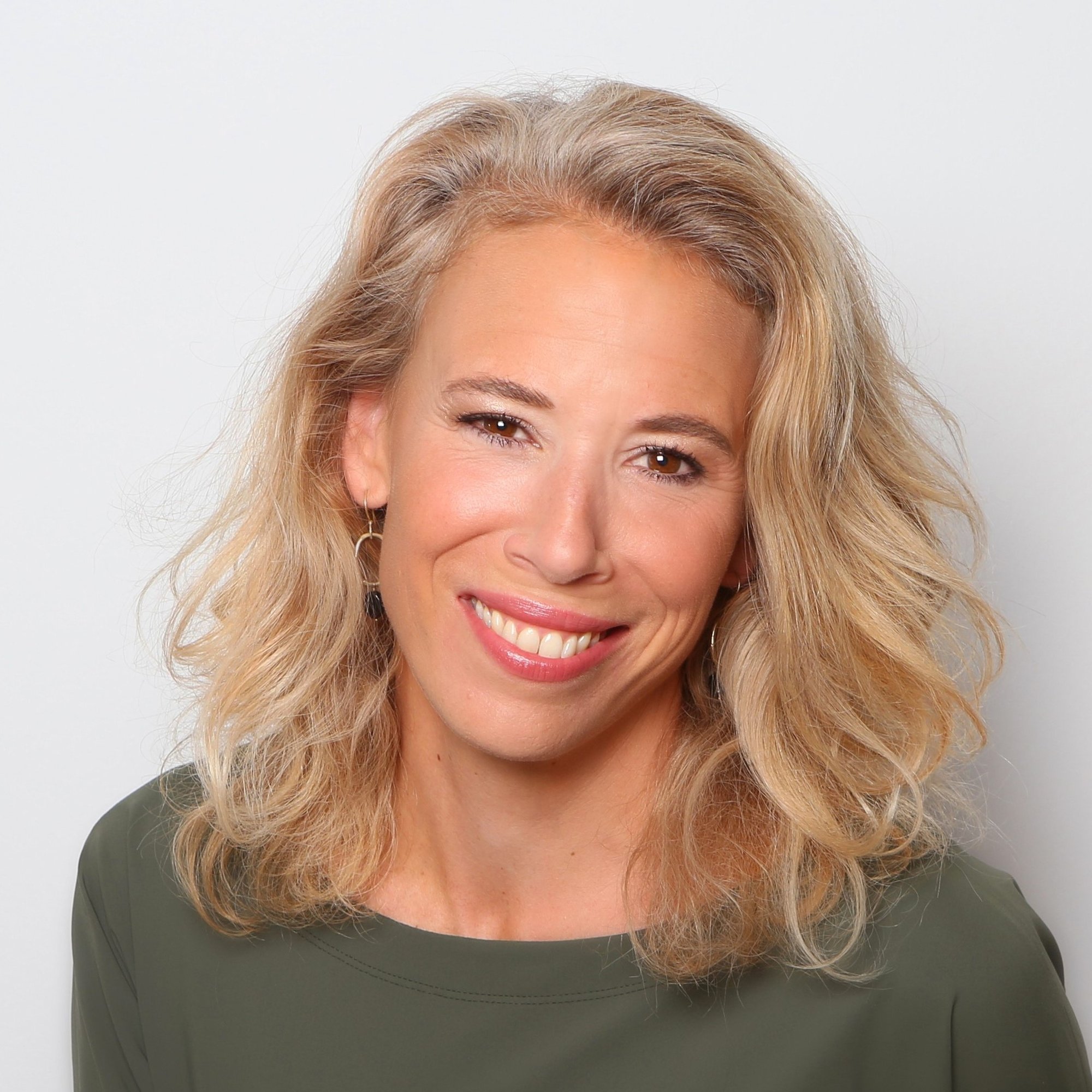
Moderator
KARLIJN VAN LIEROP
Head of Impact Investing, Achmea Investment Management
11:30–11:45
Europe’s strategic opportunity
Thought leadership talk
The Impact Stage
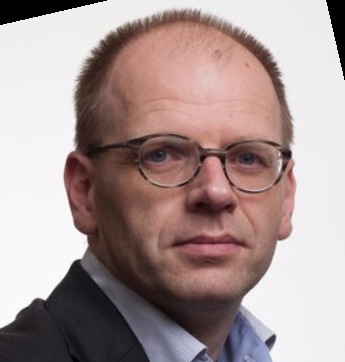
ALFRED SLAGER
Chair Investment Committee, ABP Pension Fund, Professor, Vrije Universiteit Amsterdam; Author
11:45–12:00
Natural capital at institutional scale: beyond pilot projects
Keynote Speech
The Impact Stage
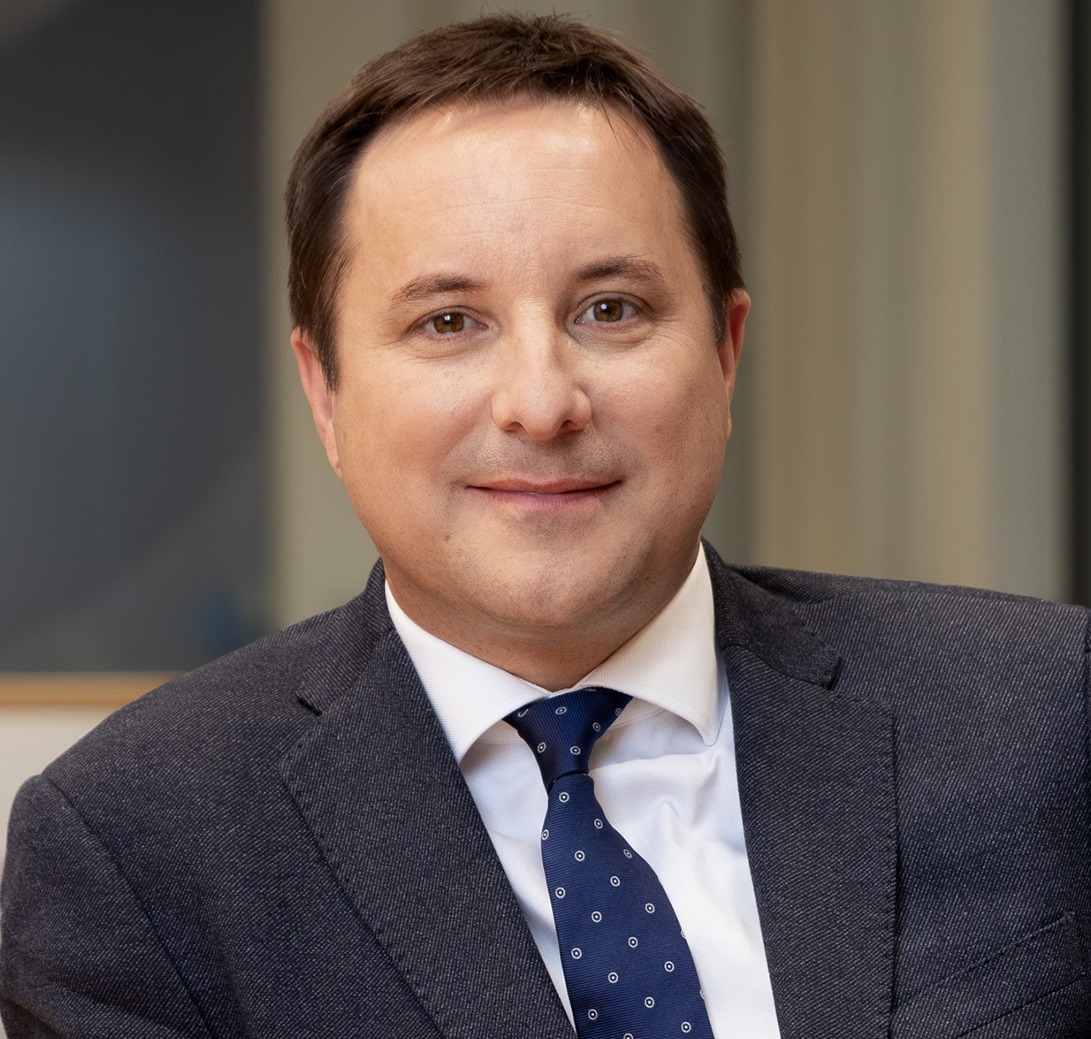
ERWANN LE LIGNÉ
Managing Partner, Co-Head of Eurazeo Planetary Boundaries Fund
12:00–13:00
Lunch
13:00–14:00
InvestorConnect session #1
Pre-scheduled meetings required (Asset owners & Fund managers only)
The Impact Stage
Stewardship in a fragmented world
Round-table discussion
Impact Toolbox
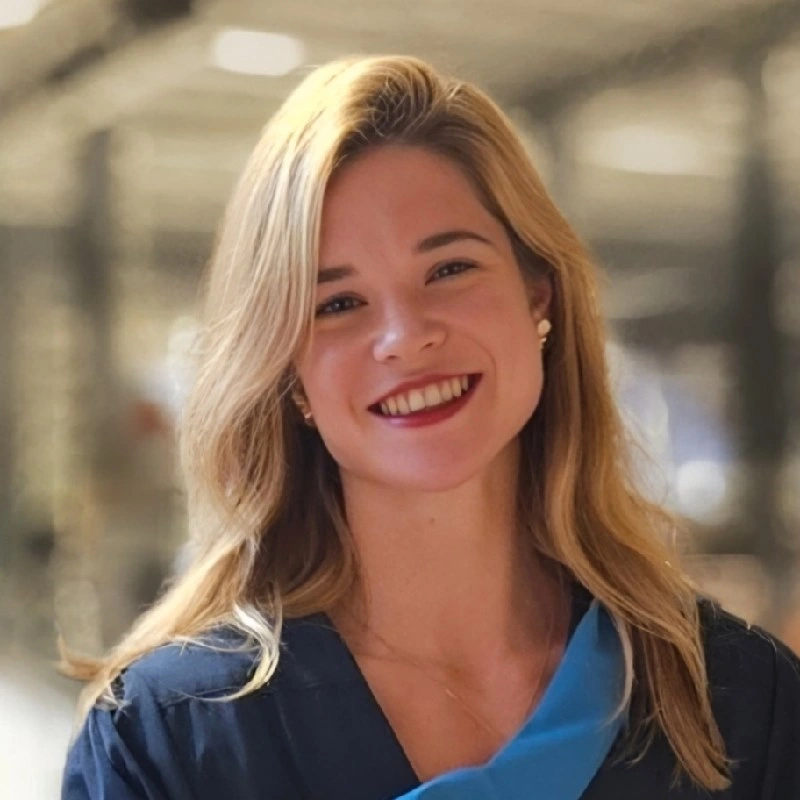
HANNA LUKACS
Sustainable Investing Specialist and Private Markets Associate, ING Investment Office
JAMIE BRODERICK
Deputy Chair, Impact Investing Institute
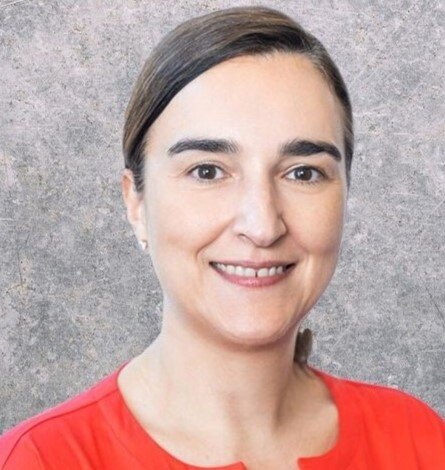
MARTA JANKOVIC
Head of Sustainability, Stafford Capital Partners
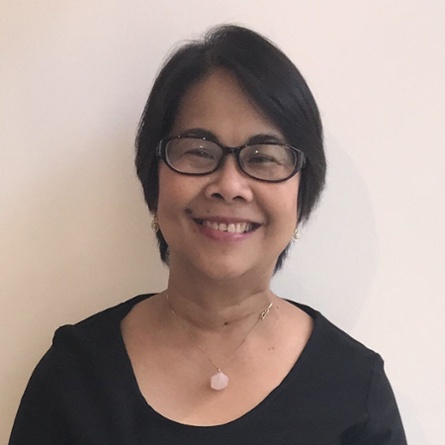
Moderator
GRACE CASTILLO
Founder & Chief Executive Officer, Gifftid
14:00 - 14:30
Coffee Break
14:30–15:15
Blended structures that work for institutional investors
Success stories
The Impact Stage
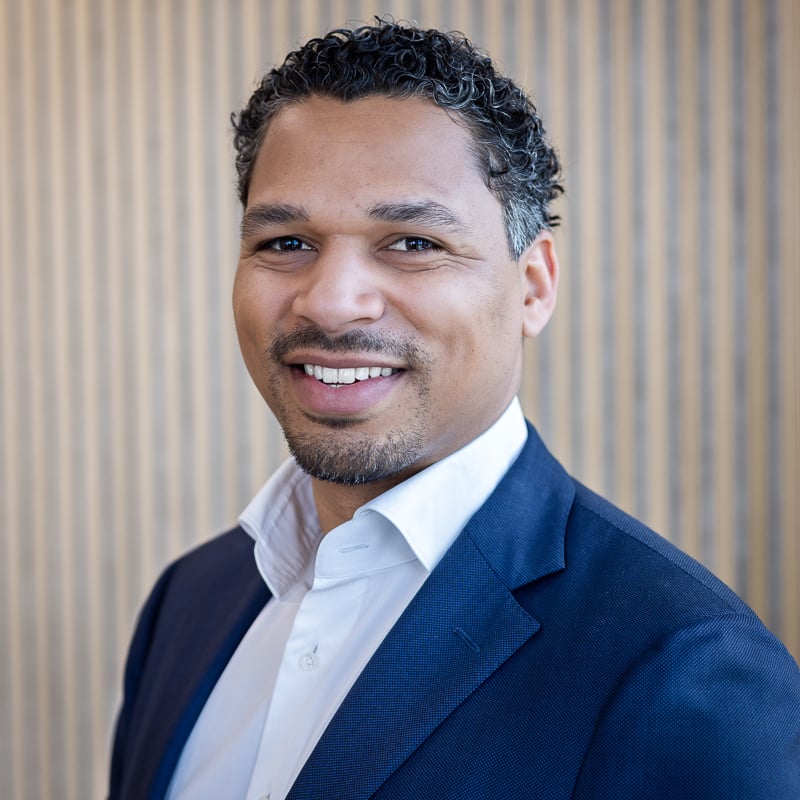
AARNO KEIJZER
Investment Lead, Aqua for All
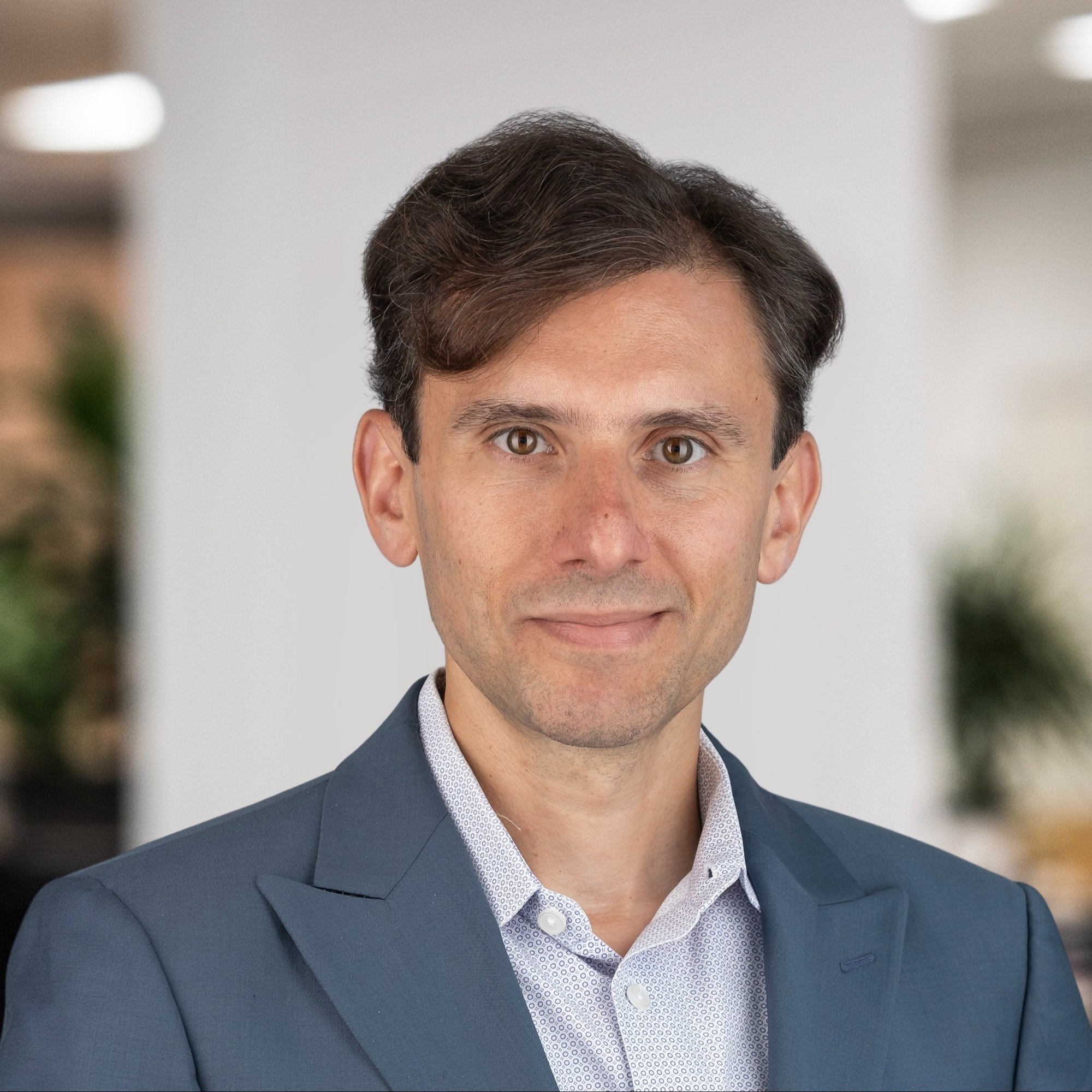
JESSE BAVER
Head of Innovative Finance for Mobilisation, British International Investment
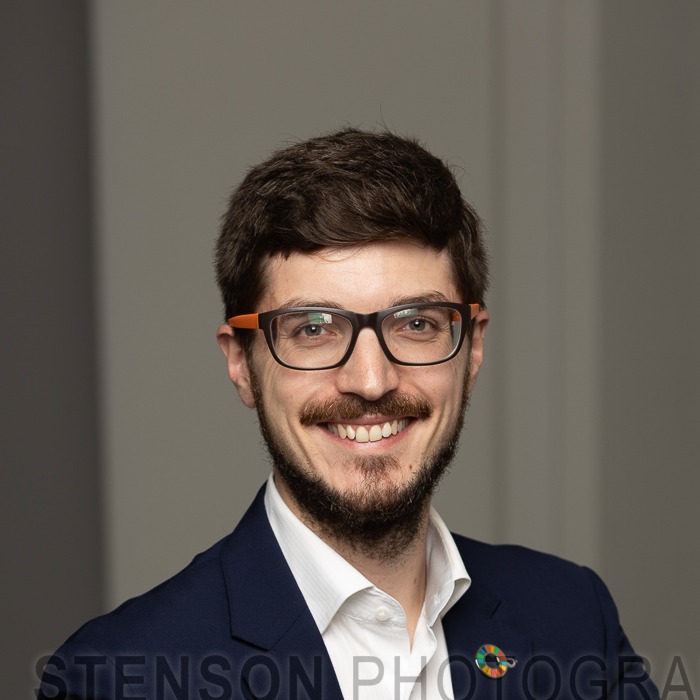
LARS BOGGILD
Portfolio Manager, Rally Assets
-2b9e9b.jpg?width=1050&height=1050&name=597be53d-88cb-4385-968f-ea9e288f026a-headshot-Nic-Wessemius-(2)-2b9e9b.jpg)
NIC WESSEMIUS
Managing Director, FMO Investment Management
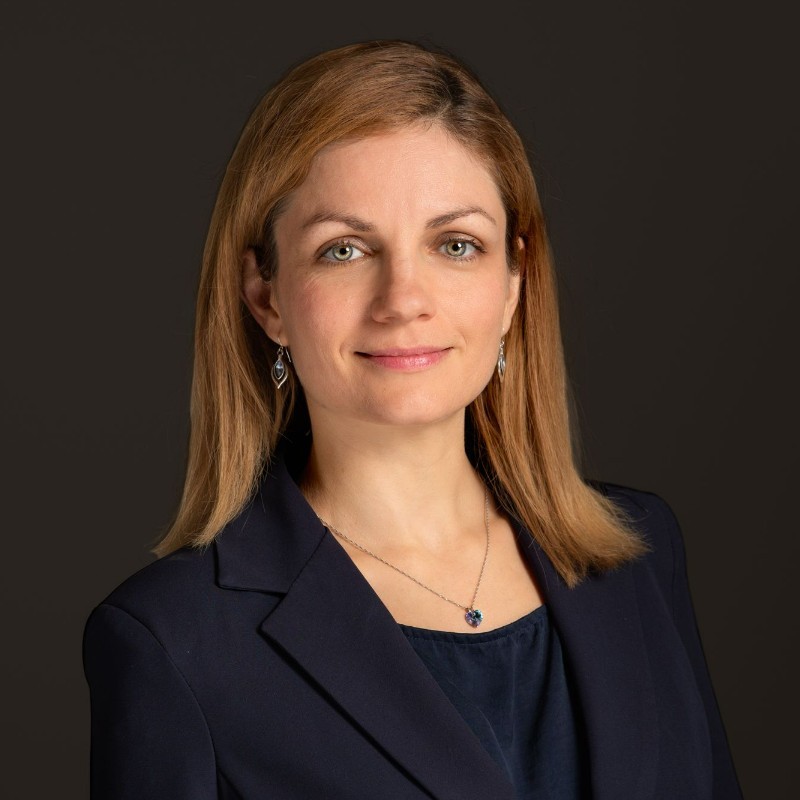
RALITSA RIZVANOLLI
Head of Investments, Sarona Asset Management
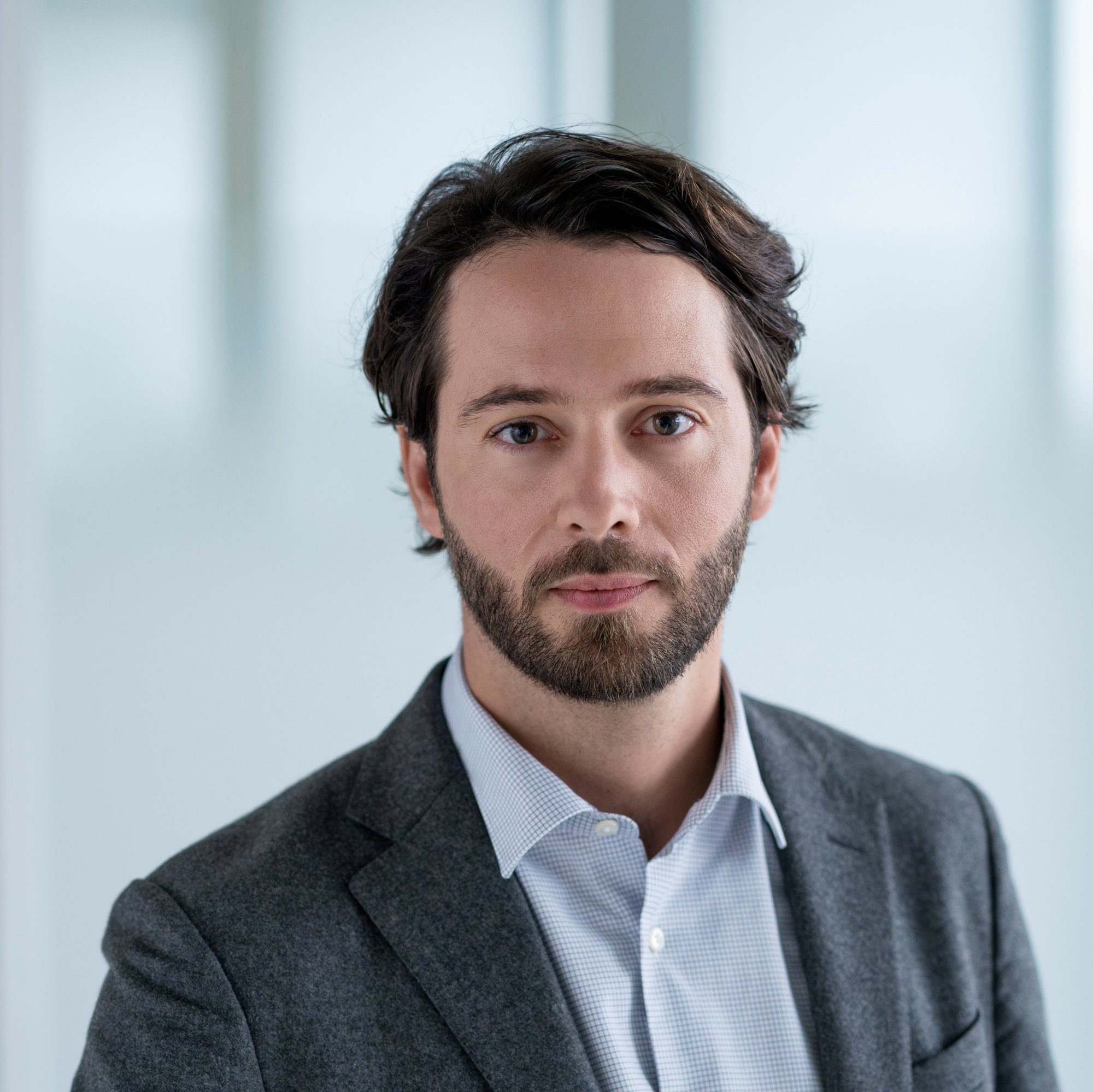
TIMOTHÉE JAULIN
Head of Responsible Investment Development & Advocacy, Amundi
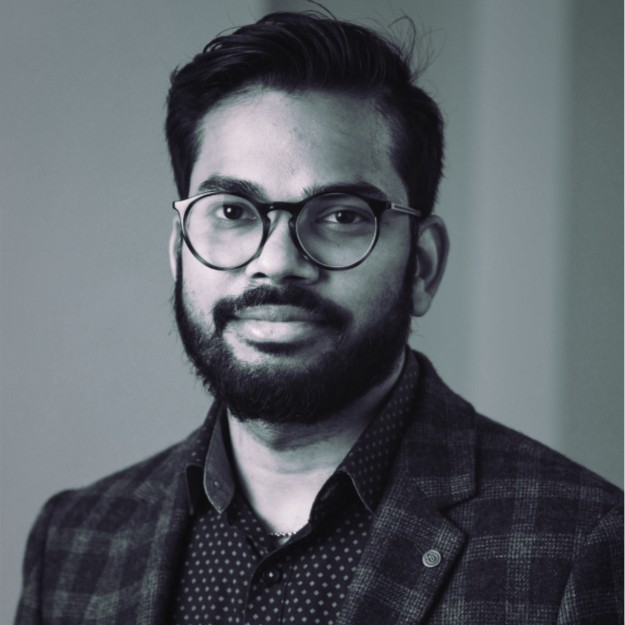
Moderator
ASHISH KUMAR
Partner Advisor, Asset Owners Africa
Revenue-based impact metrics: understanding the delta
Interactive discussion
Impact Toolbox
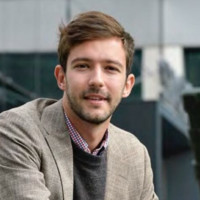
BRUNO BESEK
Responsible Investment Strategist, NN Group
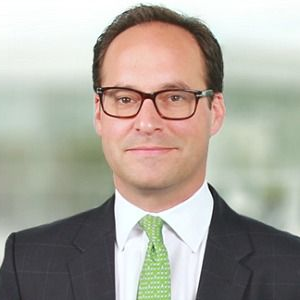
KEIMPE KEUNING
Principal, LGT Capital Partners
MARC DEBOIS
Founder, FO-Next
.jpg?width=550&height=550&name=Stefan%20Wilhelm%20(1).jpg)
STEFAN WILHELM
Director Social Innovation / Head of LATAM & Africa, Bayer Foundation
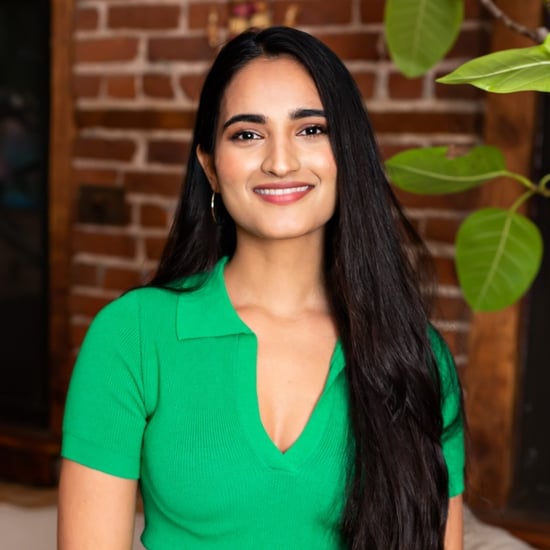
Moderator
PRACHI MODI
Head of Investor Relations and Programming,
Phenix Capital Group
Back to the Future: Assessing Impact Potential Through a Systems Lens
Panel discussion
Innovation Lab
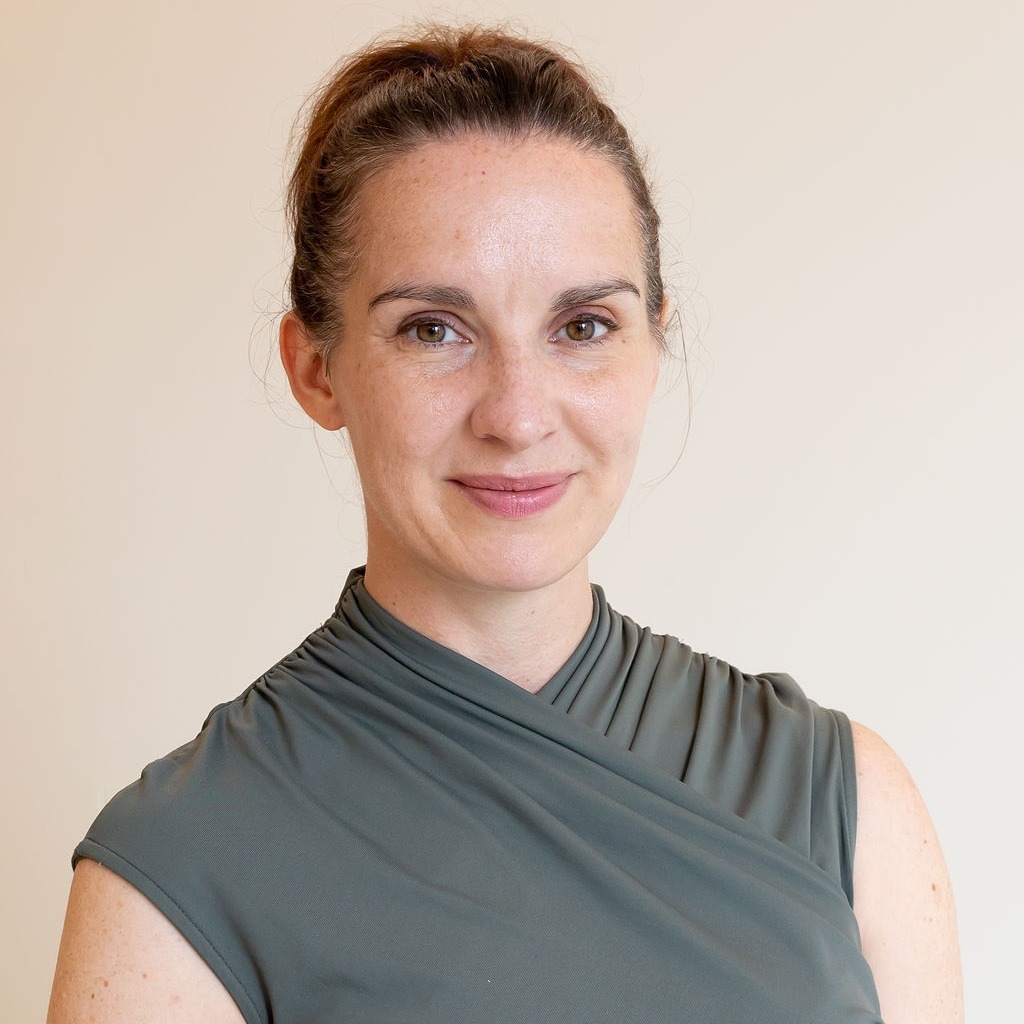
CHARLOTTE O' LEARY
Chief Executive Officer, Investors for Purpose Limited
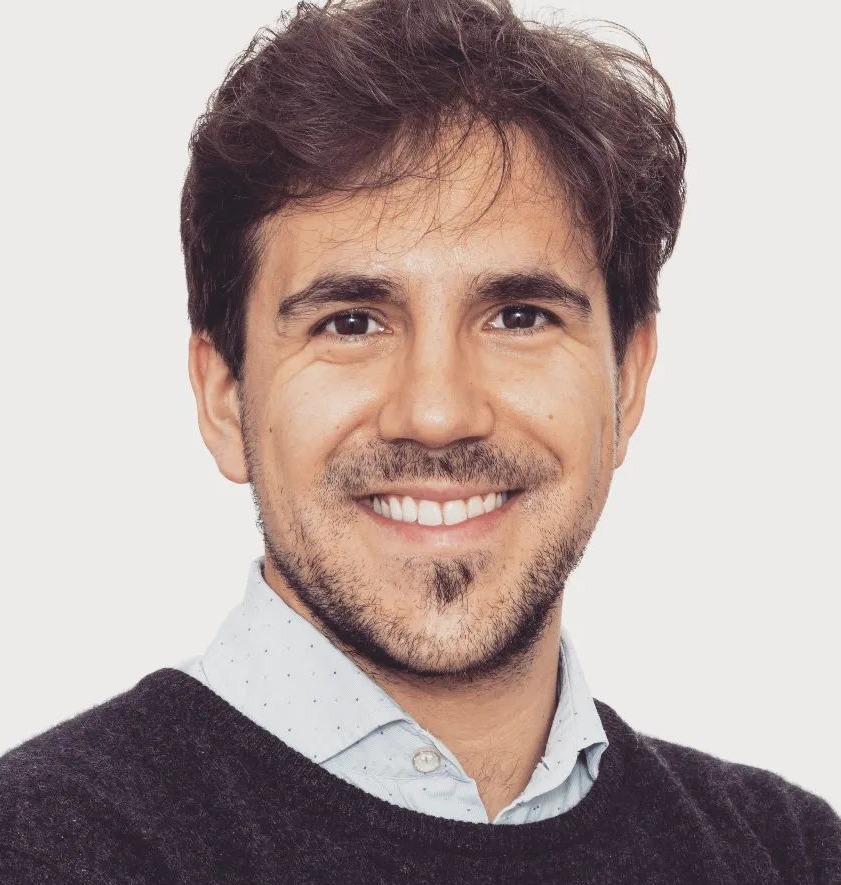
FRANCESCO GERLI
Impact & Philanthropy Specialist, Partners for Change Family Office
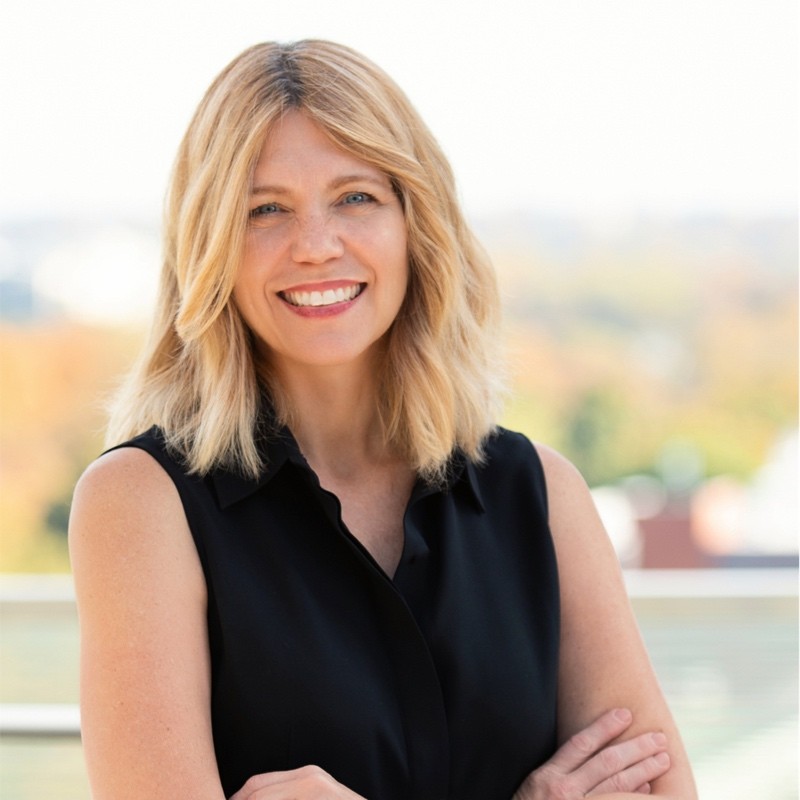
JENNIFER PRYCE
President & Chief Executive Officer, Calvert Impact
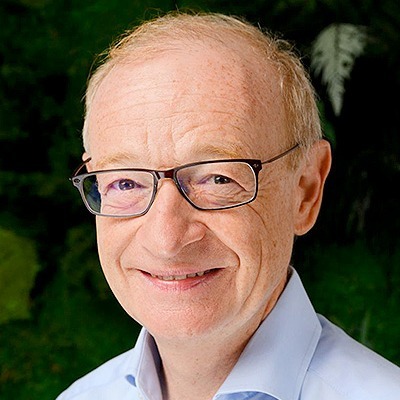
DR. MICHAEL BRANDKAMP
Managing Partner and Founder, European Circular Bioeconomy Fund
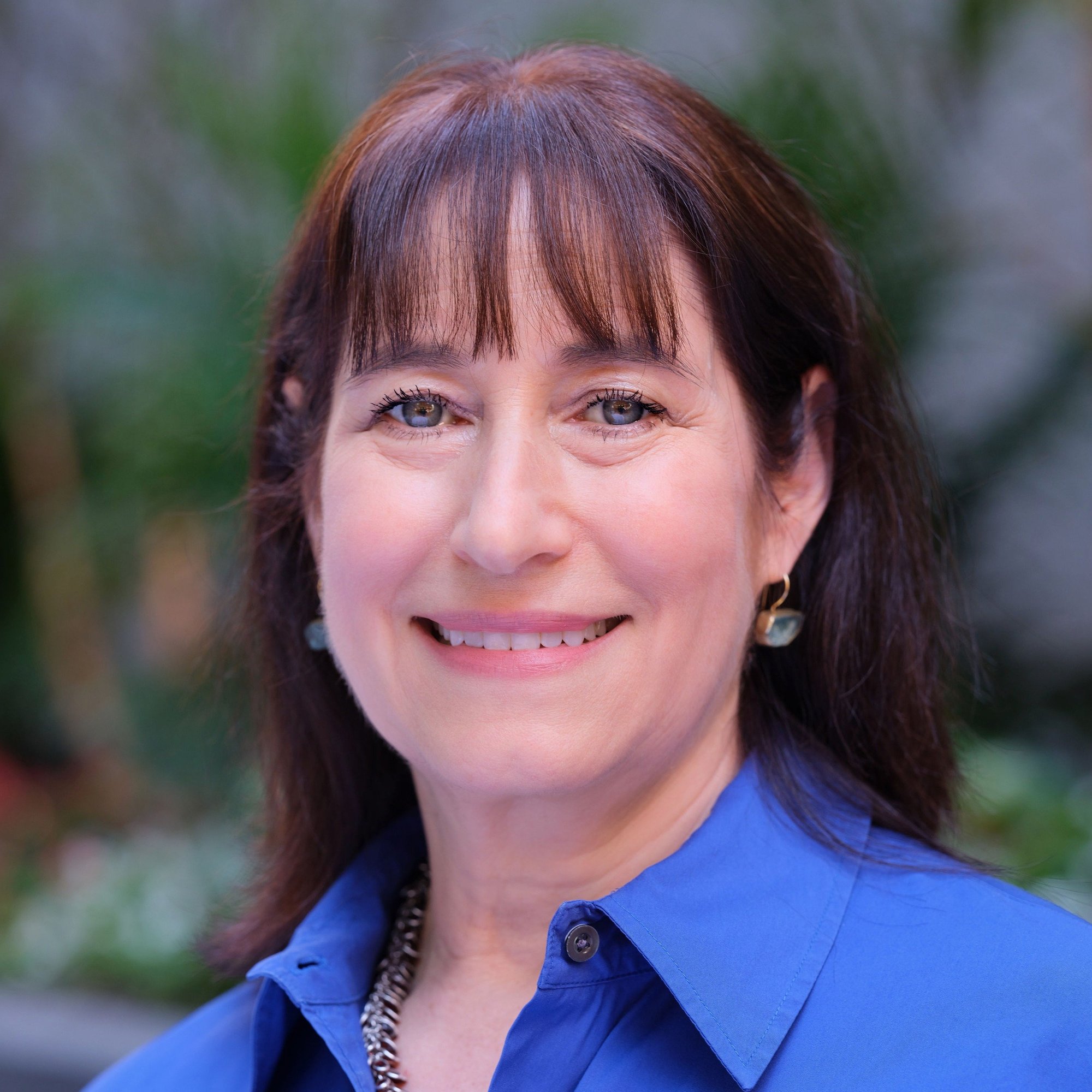
PAULA LUFF
Director of Sustainability Research and Engagement, DSC Meridian Capital
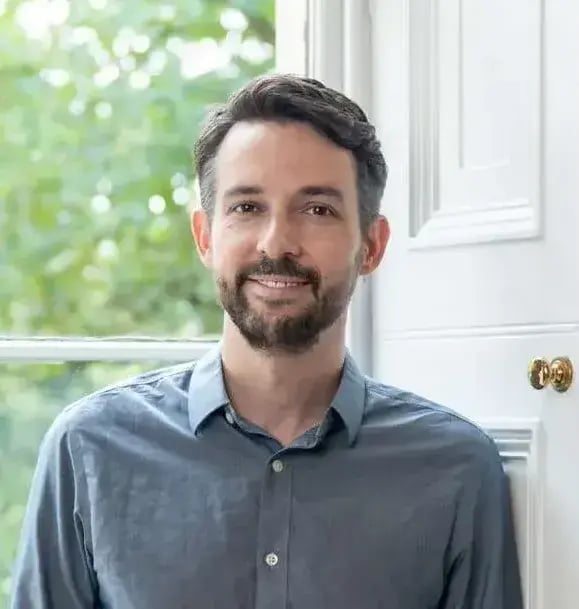
Moderator
MATT RIPLEY
Director, Impact Frontiers
15:15–15:35
Coffee break
15:35–16:20
Making biodiversity investible for institutional investors
Panel discussion
The Impact Stage
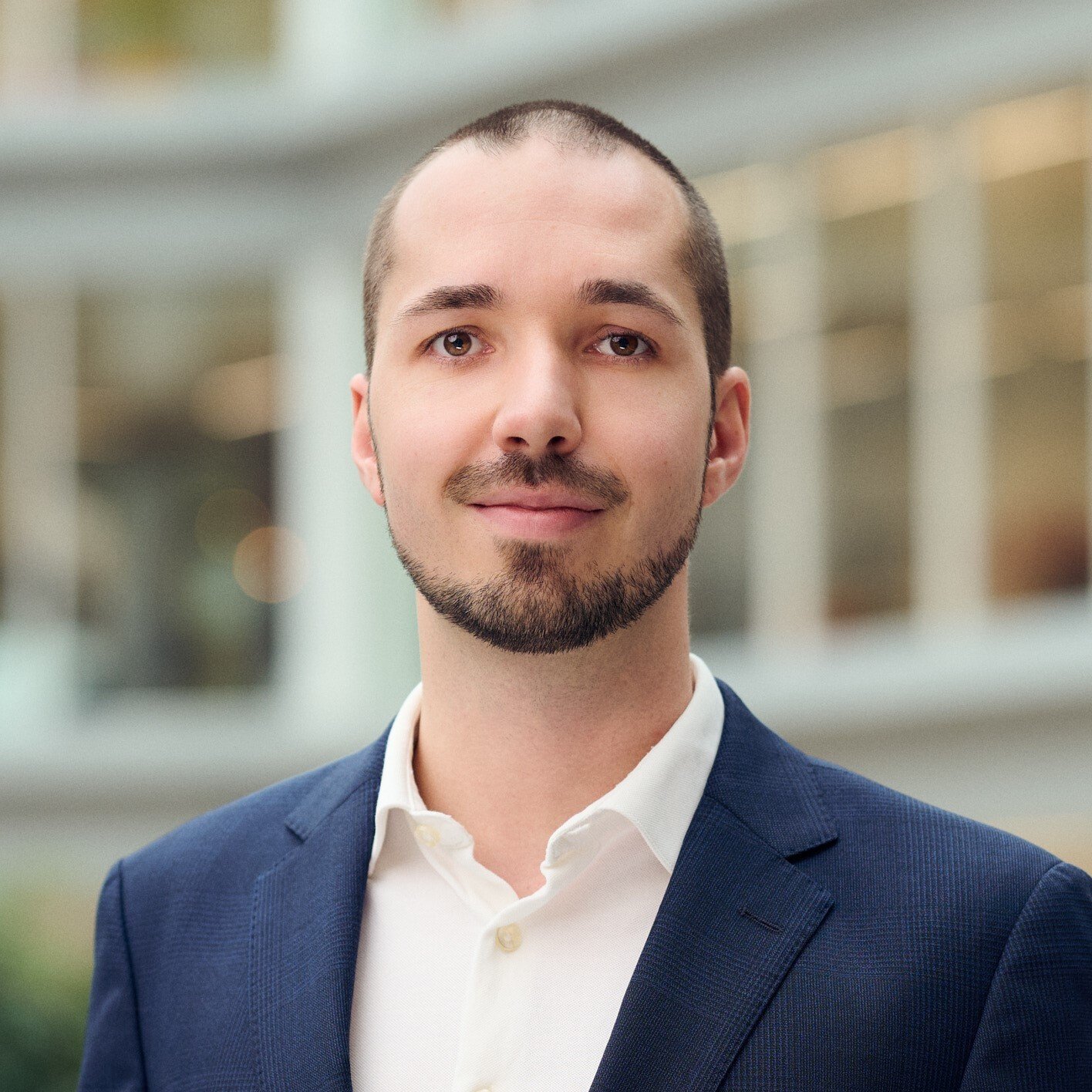
CEDRIC SCHOLL
Fiduciary Manager Responsible Investment, APG Asset Management
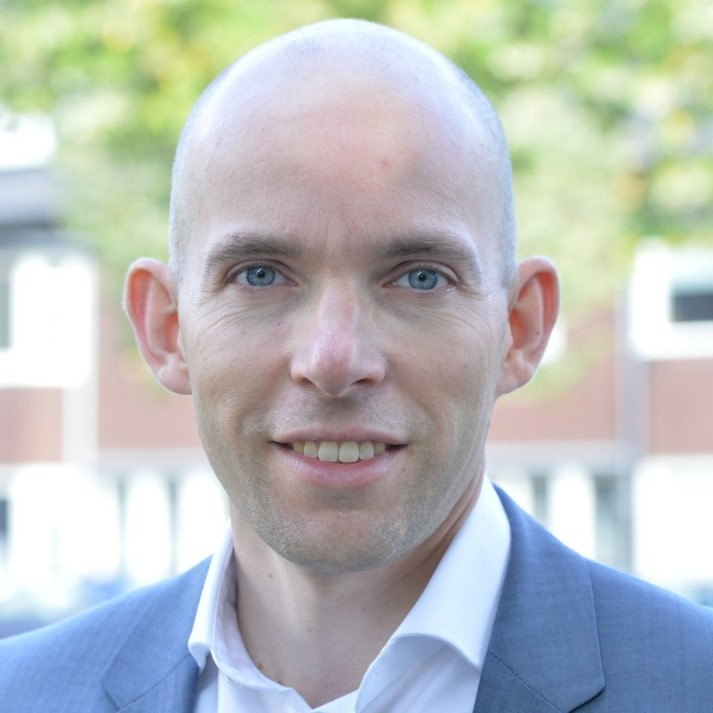
DAAN SPAARGAREN
Senior Responsible Investment Strategist, PME Pensioenfonds
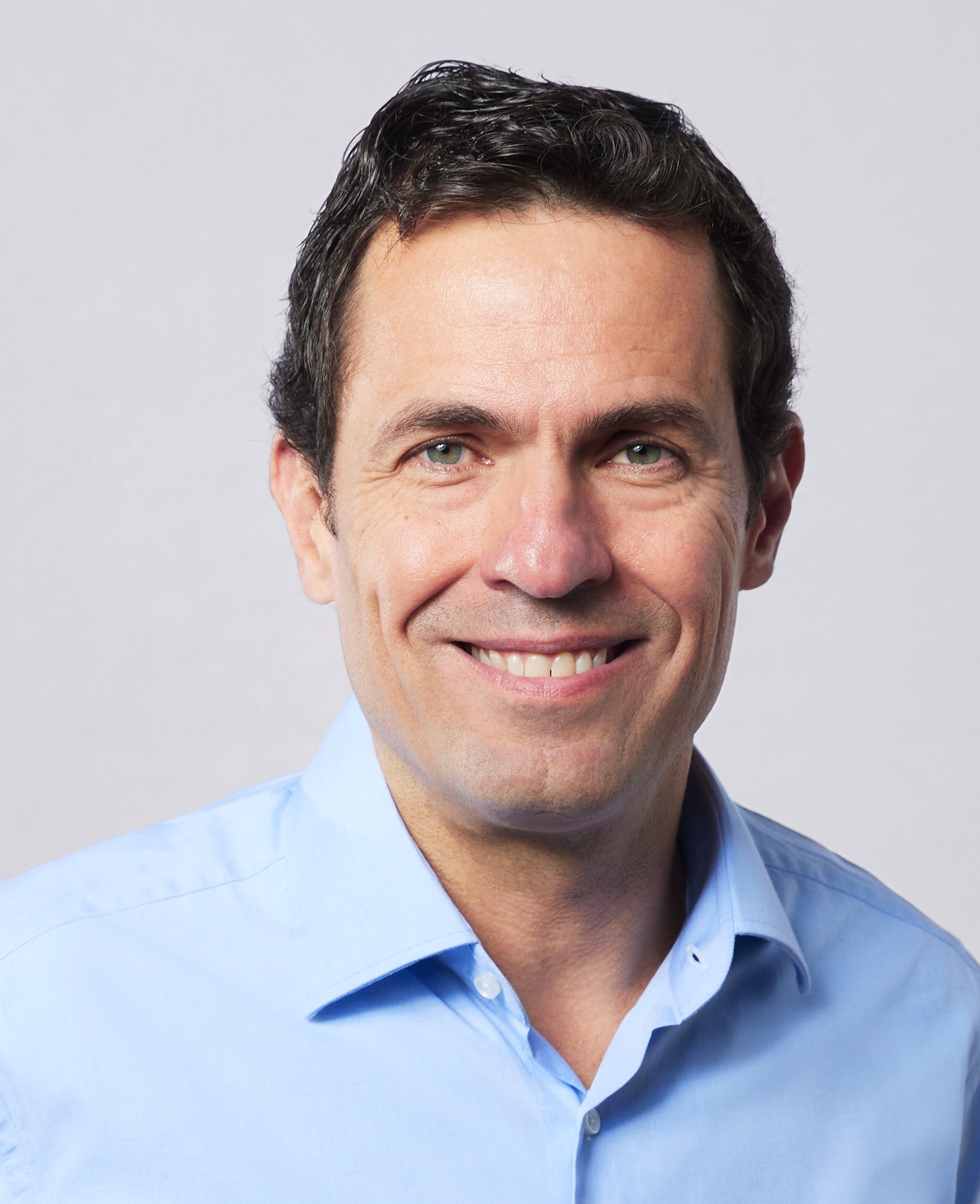
EDUARDO MUFAREJ
Co-Chief Investment Officer, Just Climate
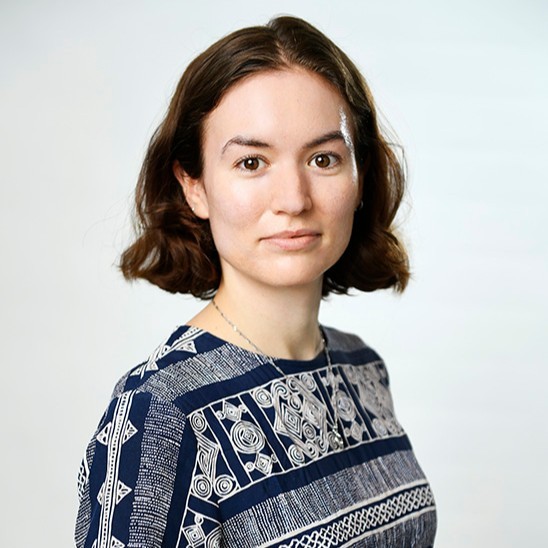
ISOBEL EDWARDS
Global Head of Sustainable and Impact Fixed Income Research, Goldman Sachs Asset Management
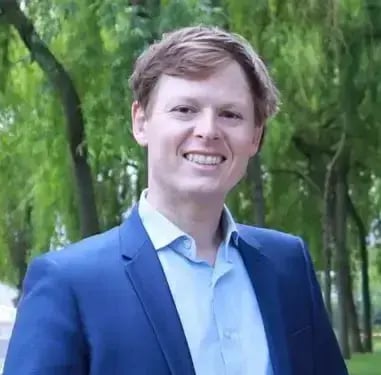
ROBERT-ALEXANDRE POUJADE
Biodiversity Lead, BNP Paribas Asset Management
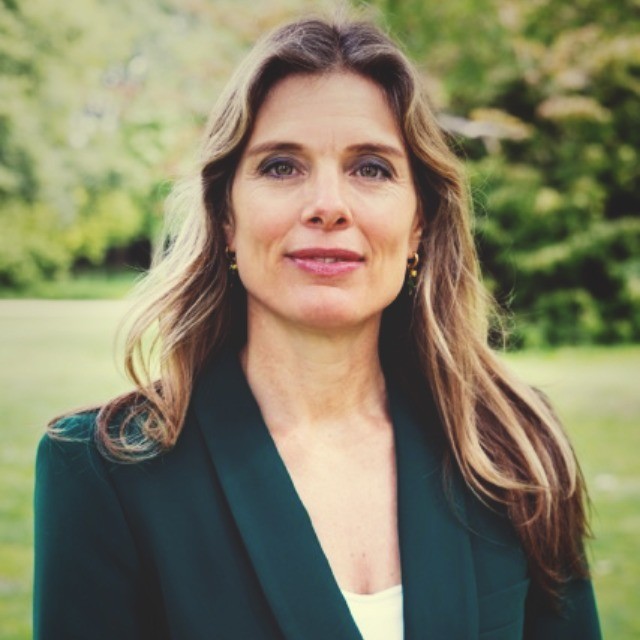
Moderator
ANITA DE HORDE
Executive Director, Finance for Biodiversity
The AI paradox
Panel discussion
Impact Toolbox
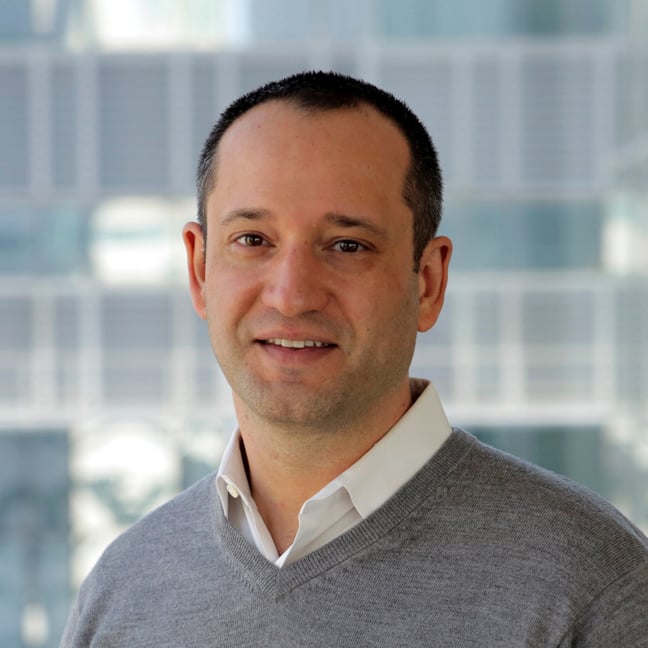
GREG WASSERMAN
Head of Private Climate Investing, Wellington Management
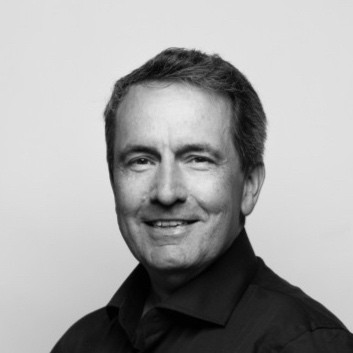
HENK DE JONG
Co-Founder & Managing Partner, ValueAI Institute
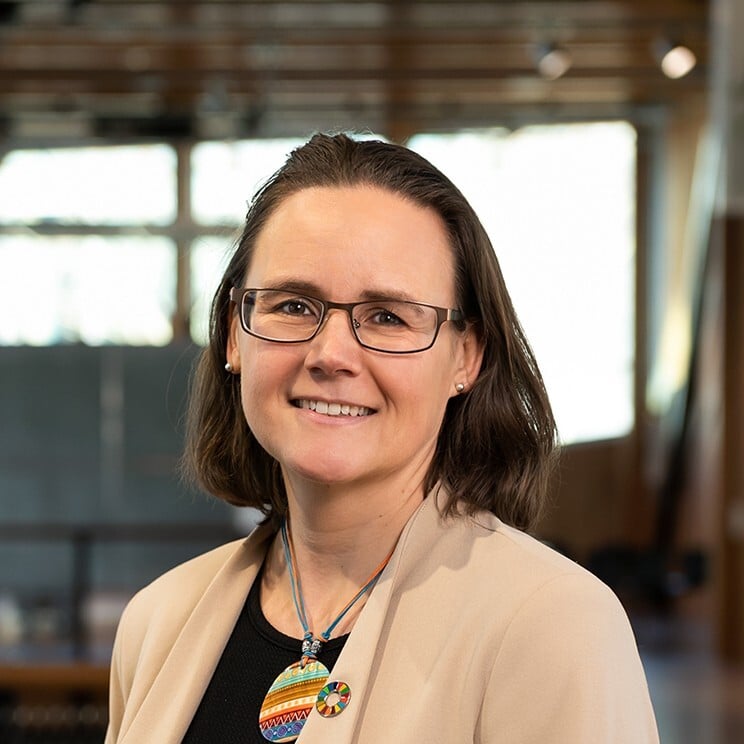
KARIN BOUWMEESTER
Sustainability and Portfolio Management Lead, Private Equity, PGGM
LILA PRESTON
Co-Head of Growth Equity, Generation Investment Management
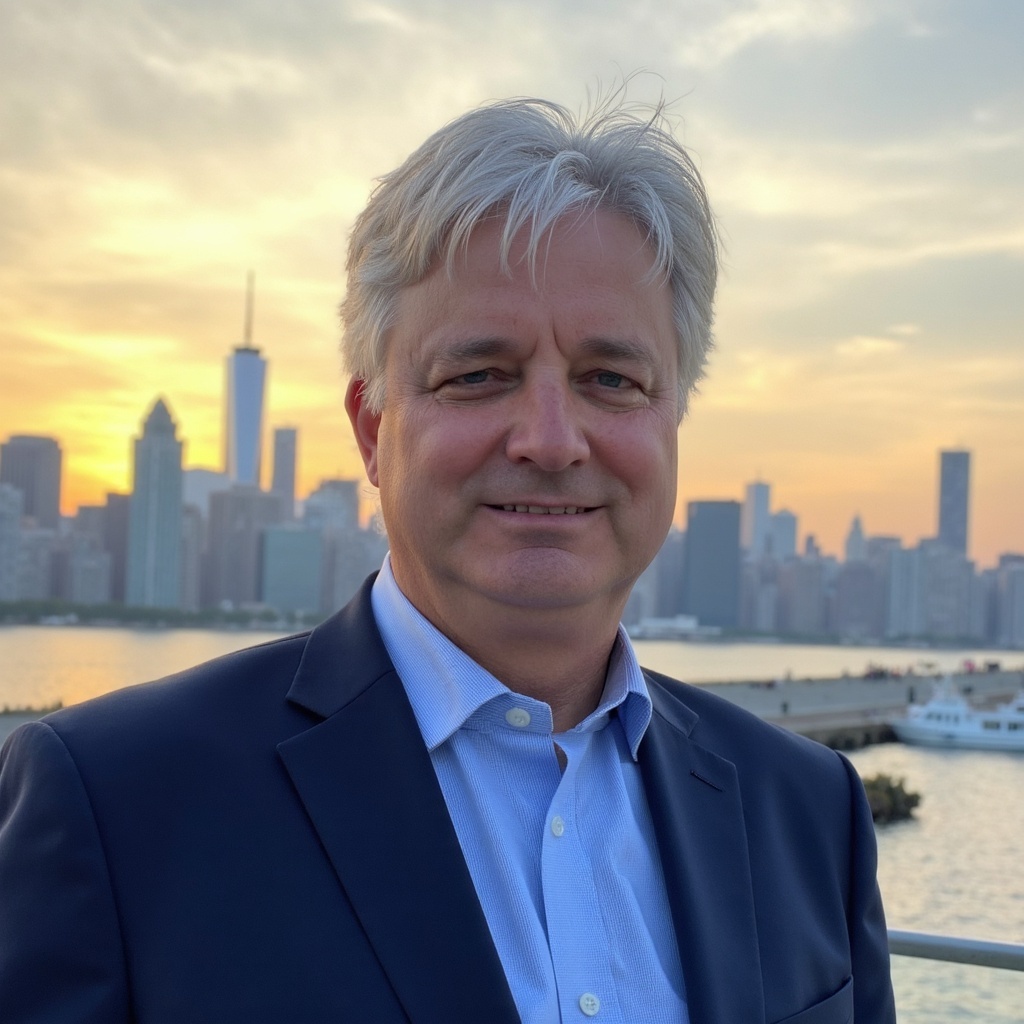
ROBERT SCHULTZ
Partner, Capricorn Investment Group
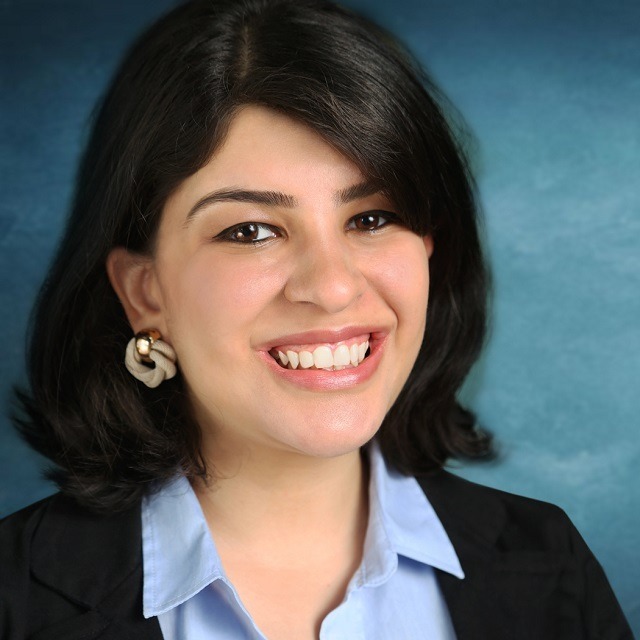
Moderator
TRISHA TANEJA
Investor Strategies Programme Director, The Institutional Investors Group on Climate Change (IIGCC)
Introduction to maritime infrastructure and sustainable investment
Presentation & roundtable
EURAZEO Room
GUILLAUME BRANCO
Managing Director - Asset-based Finance, Eurazeo
16:20–16:30
Logistic break
16:30–17:30
THE BIG IMPACT DEBATE
Interactive debate
The Impact Stage
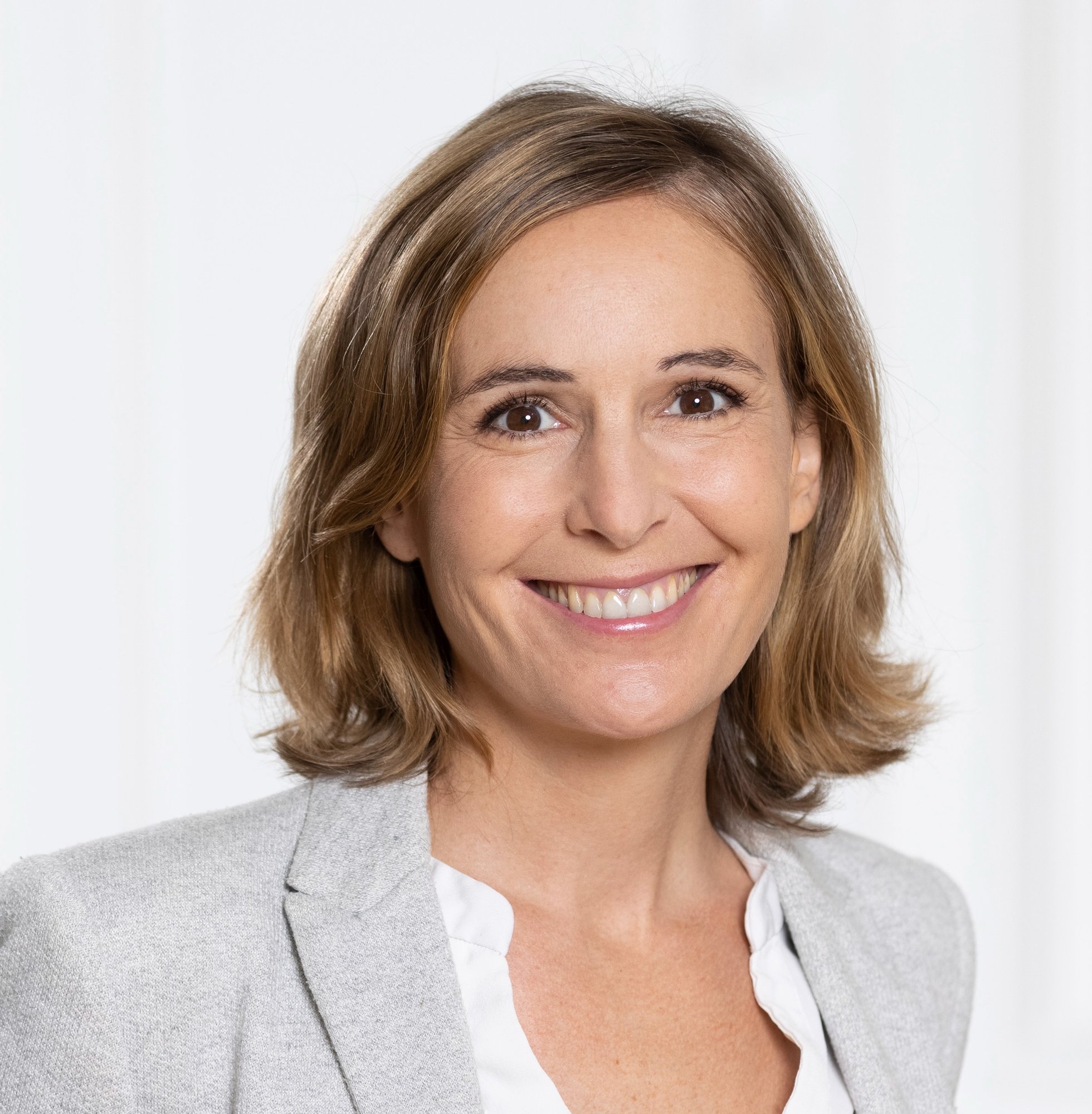
AGLAÉ TOUCHARD LE DRIAN
Managing Partner - Co-Head, RAISE
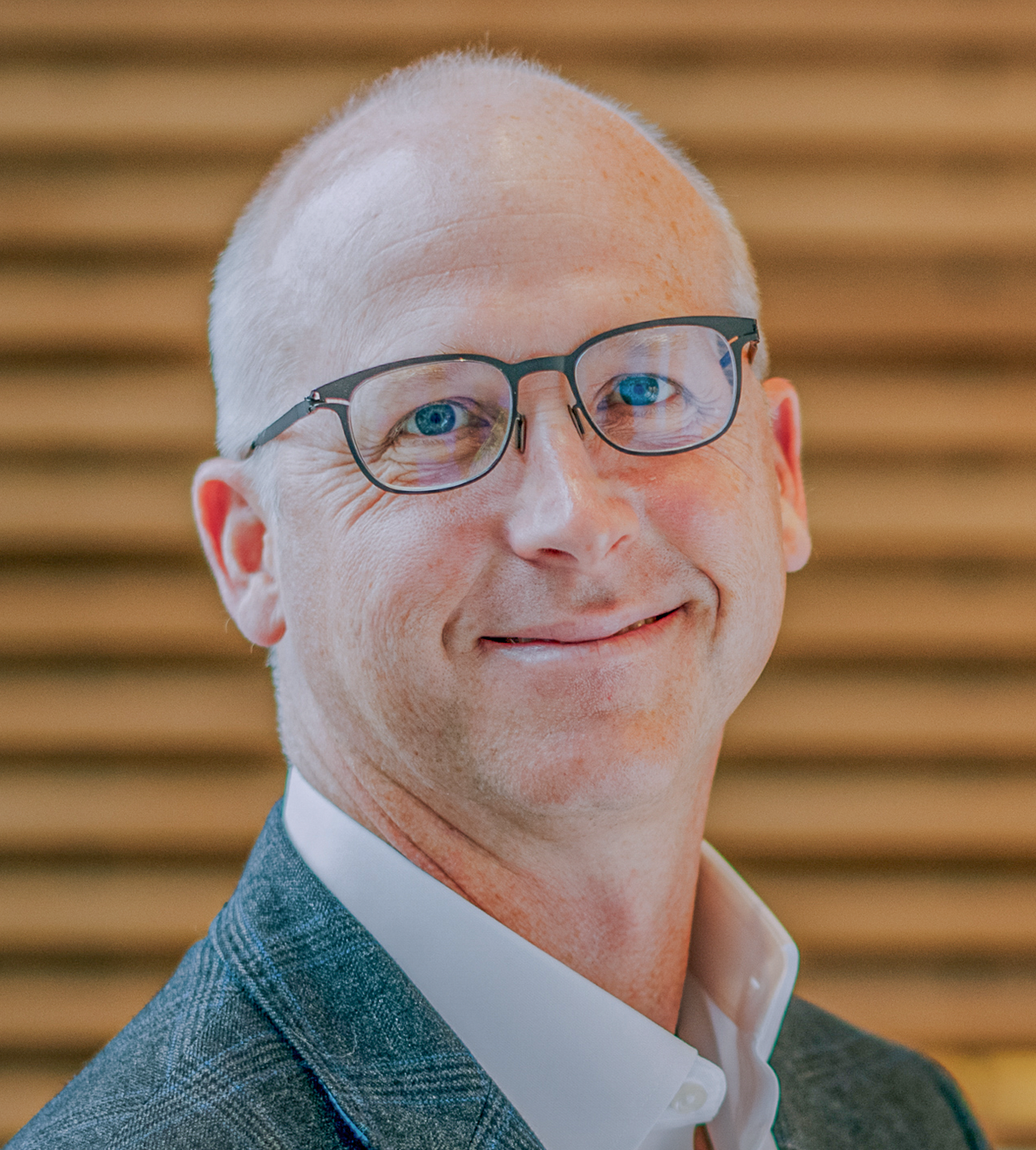
DAVE HELGERSON
Head of Impact Investing, Hamilton Lane
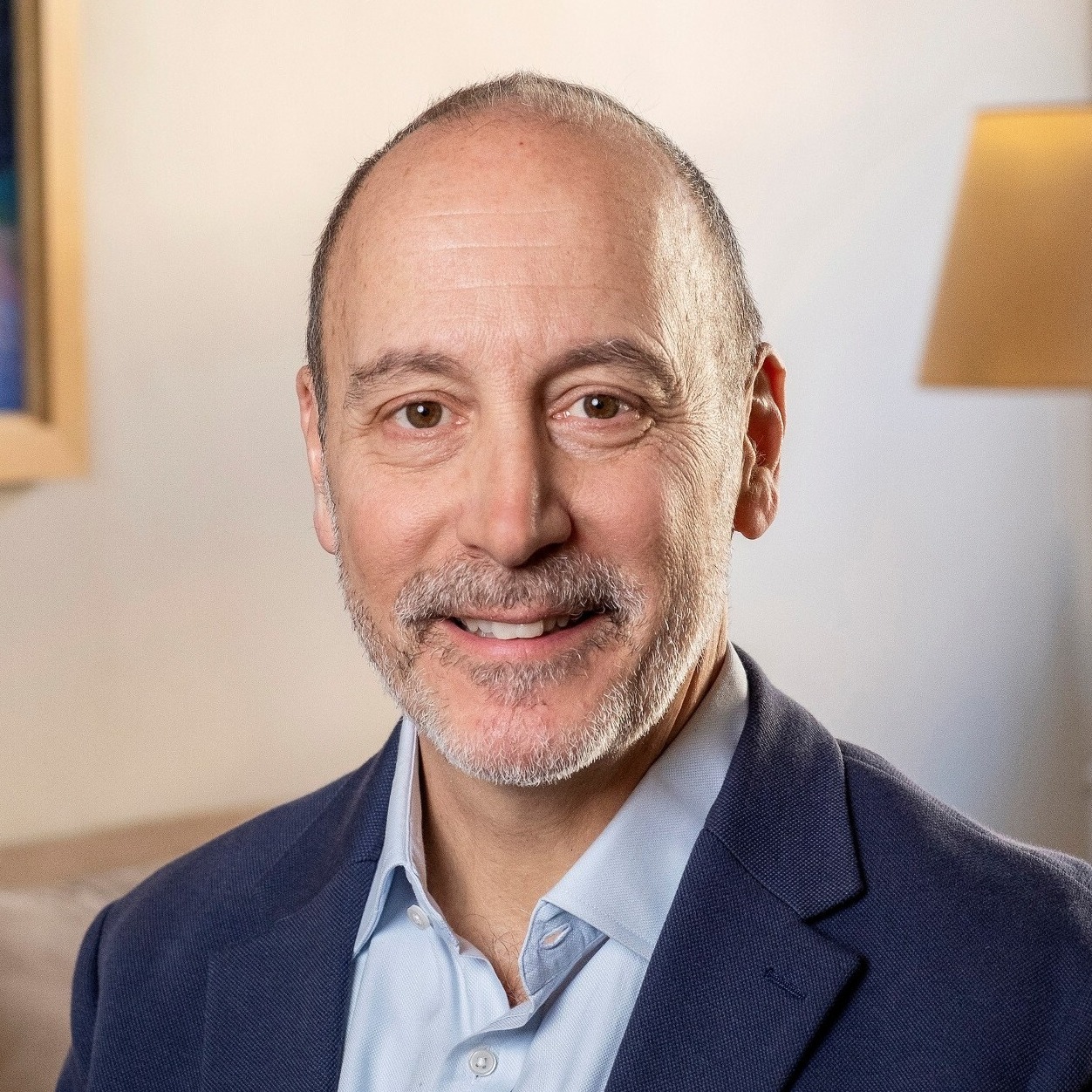
ROBERT BROWN
Founder, Chief Research Officer, Impact Evaluation Lab
Moderator
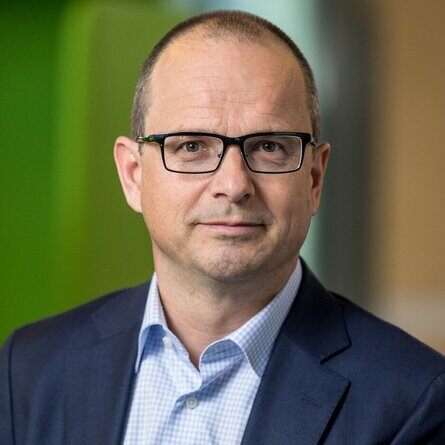
PIET KLOP
Director Strategic Relations, PGGM Investments
KEES JAN KOSTER
Family Office Advisor, Blink Impact
17:30 onwards
Impact Dinner (all attendees)
08:30–09:30
General registration
09:30–09:40
Welcome Word
The Impact Stage
09:40–09:50
Broadening Impact from Sustainability to Resilience
Keynote Speech
The Impact Stage
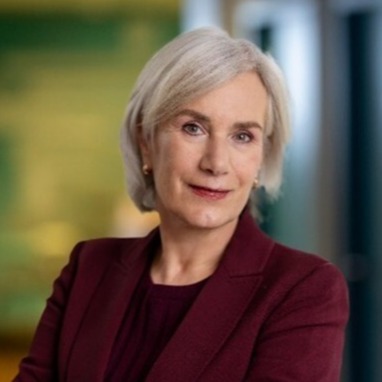
JOANNE KELLERMANN
Chair, Pension Fund Zorg & Welzijn
9:50–10:00
Impact at an Inflection Point
Keynote Speech
The Impact Stage
FLEUR HEYNS
Partner, Leelafy
09:55–10:40
Rise of new LP segments
Exclusive interview
The Impact Stage
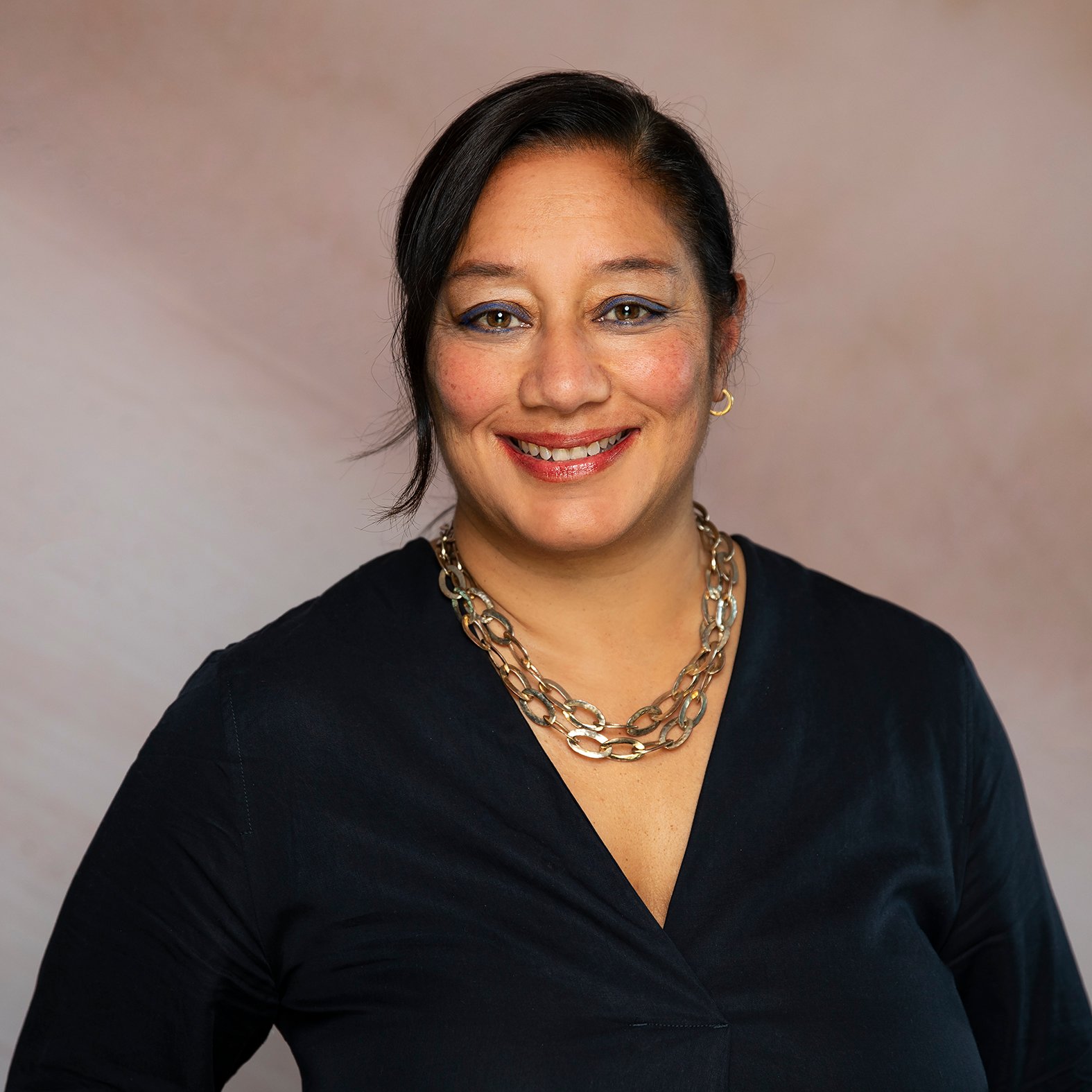
DIMPLE SAHNI
Managing Director Multi Asset Impact, Anthos Fund & Asset Management
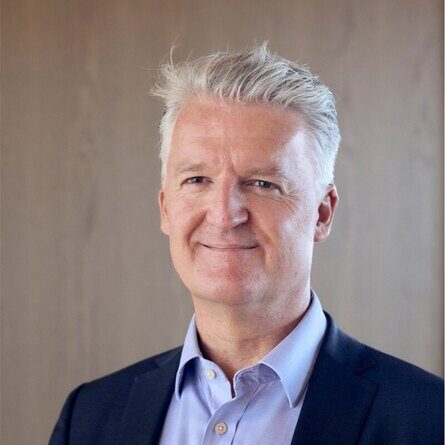
ESPEN DAAE
Investment Chief, Social Investments
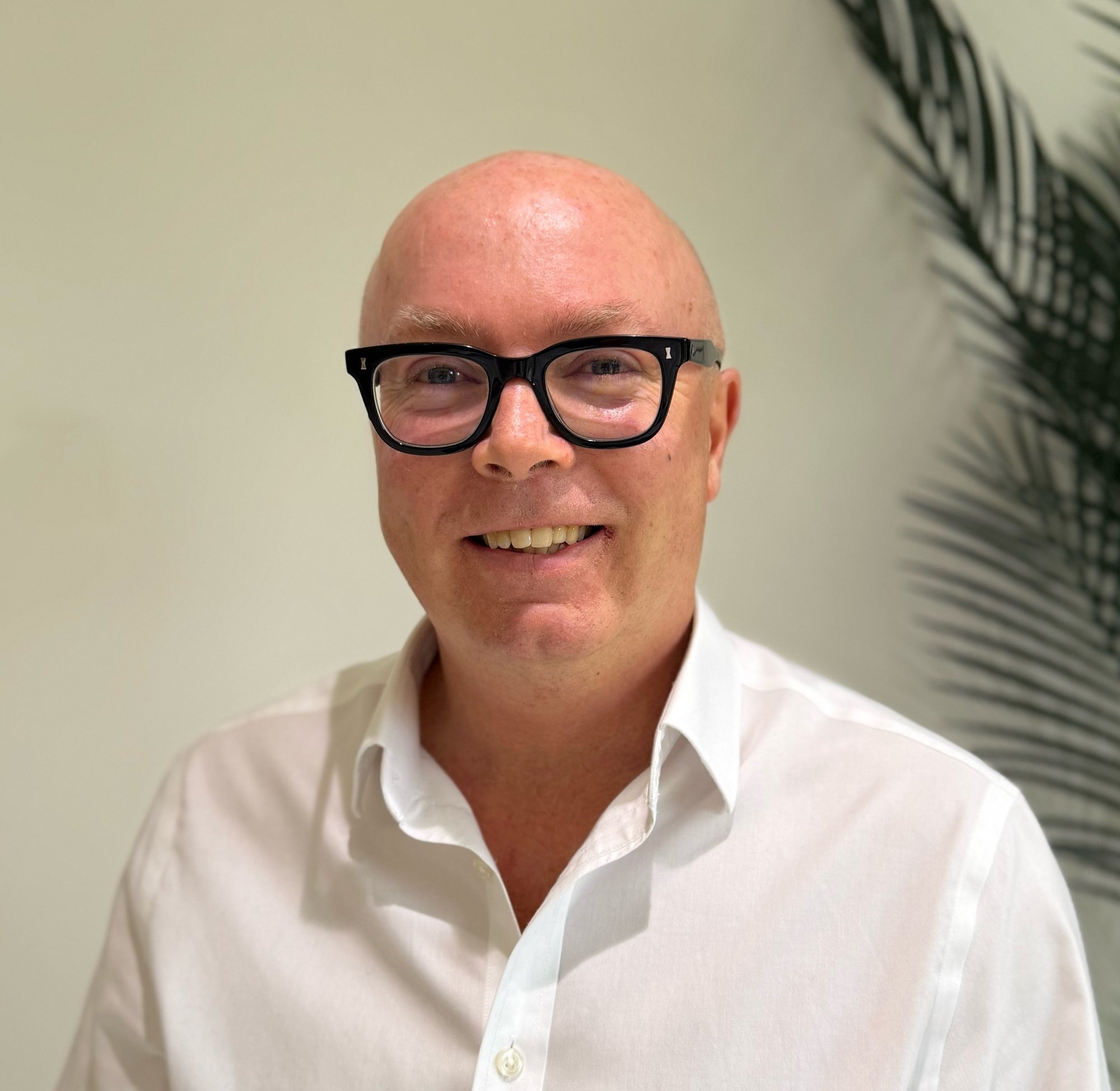
MATTHEW HUDSON
Author, Advisor, Multiple-Family Offices
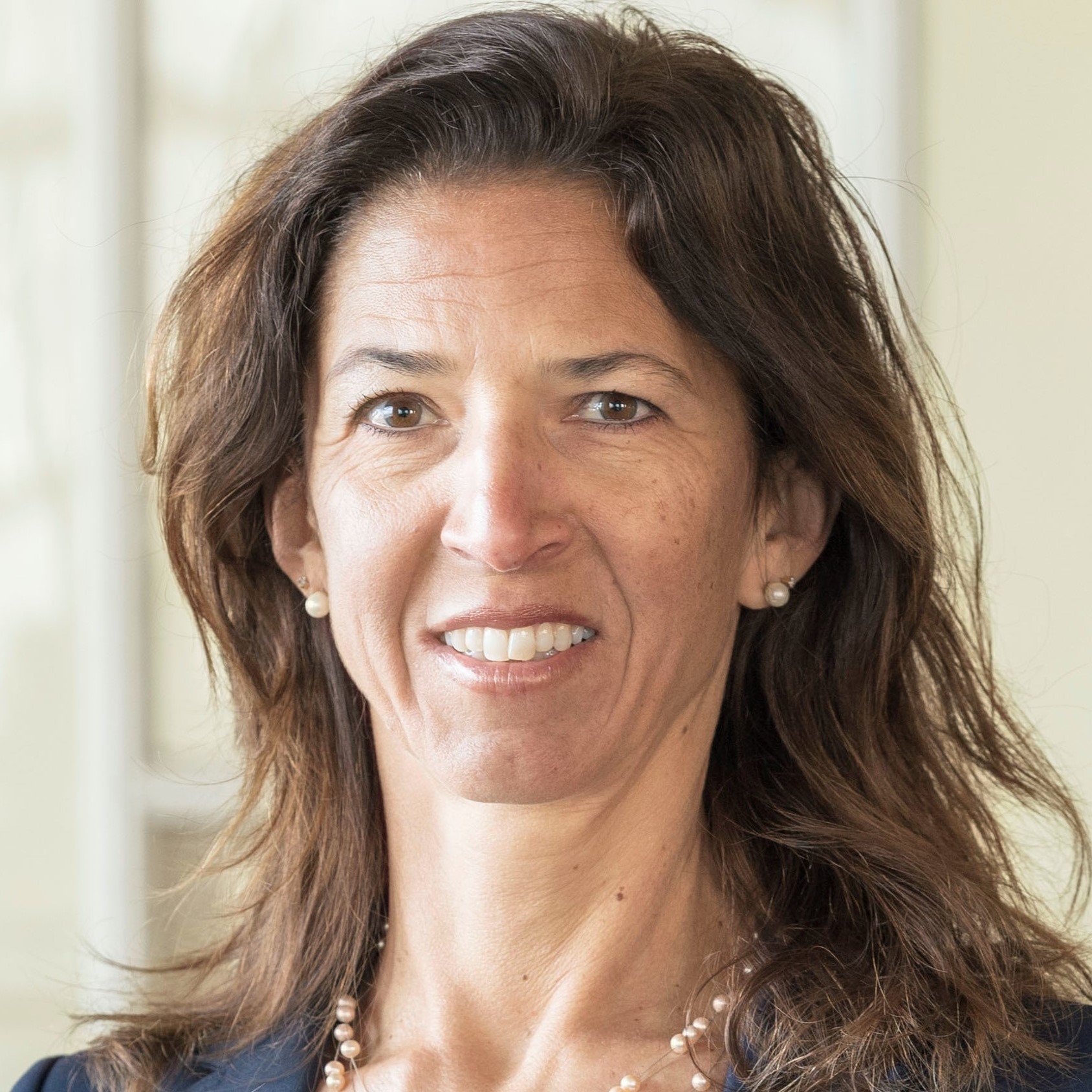
Moderator
MIRJAM GARZON
Senior Advisor, Global Impact Investing Network (GIIN)
10:40–11:00
Coffee Break
11:00–12:00
InvestorConnect session #2
Pre-scheduled meetings required (Asset owners & Fund managers only)
The Impact Stage
11:00–12:00
Global forces, local impact: macro dynamics and close to home investing
Round-table discussion
Impact Toolbox
-1.jpeg?width=445&height=445&name=Abdul%20R%20Shiil%20(5)-1.jpeg)
ABDUL R SHIIL
Co-Founder & Director, Sahan Cares
-29170b-1.png?width=996&height=996&name=0a493c13-8bc7-4c4f-98c3-bfaa42aebb78-headshot-Bahaa-Eddine-Sarroukh-(1200x996)-29170b-1.png)
BAHAA EDDINE SARROUKH
Head of the Philips Foundation
.png?width=445&height=445&name=Birgitte%20Frost%20Mathiesen%20(1).png)
BIRGITTE FROST MATHIESEN
Director & CEO, Invest for Impact Denmark
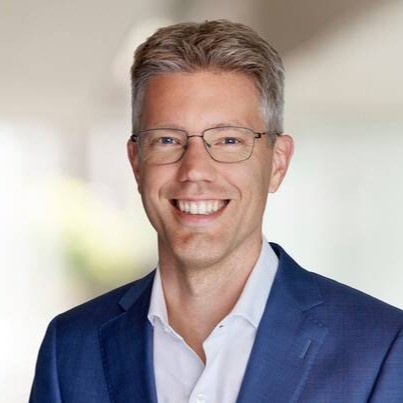
ROBIN SCHOUTEN
Executive Director, Alternative Investment Solutions, Van Lanschot Kempen
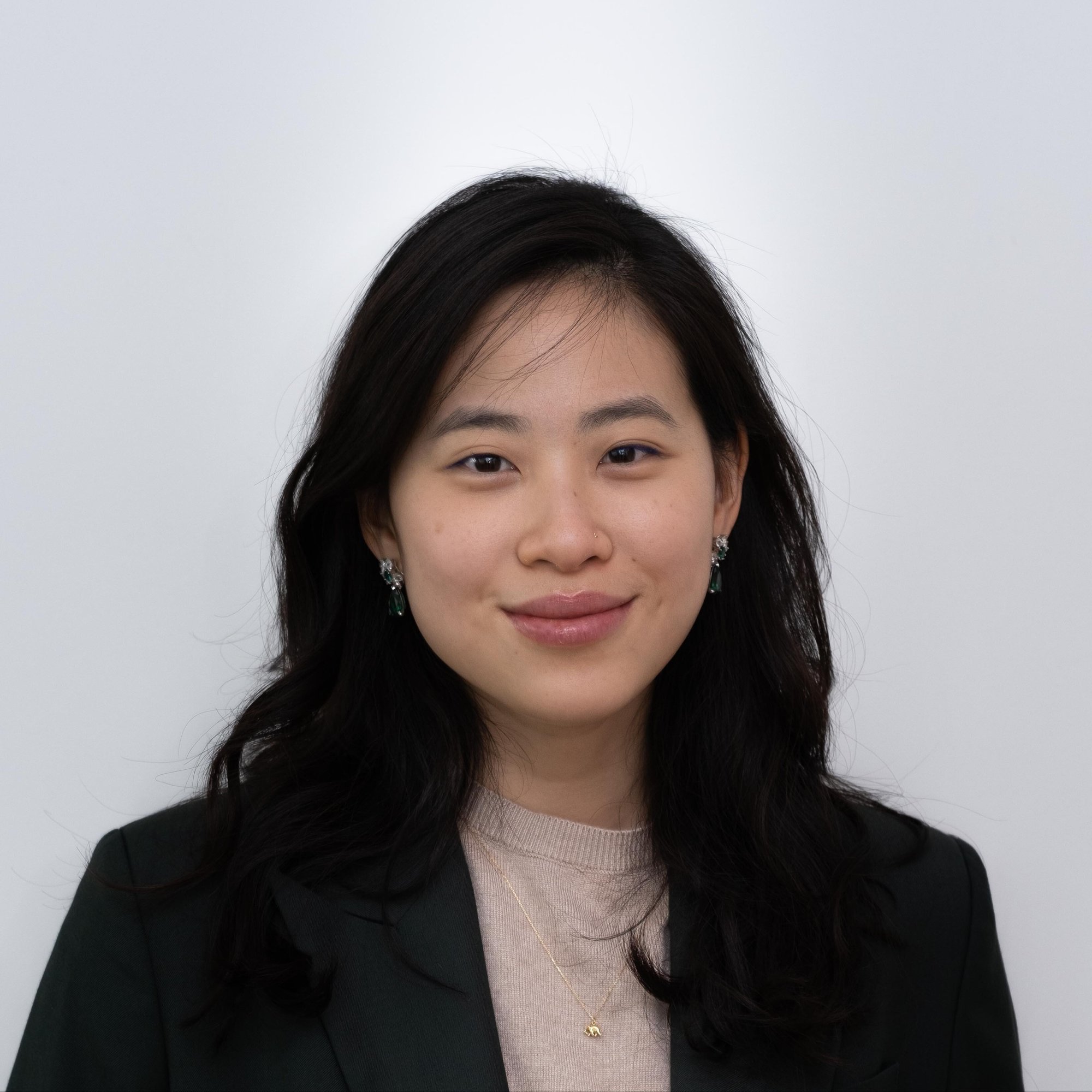
WEE KII TEH
Director, Senior Portfolio Manager Development Finance, Allianz Global Investors
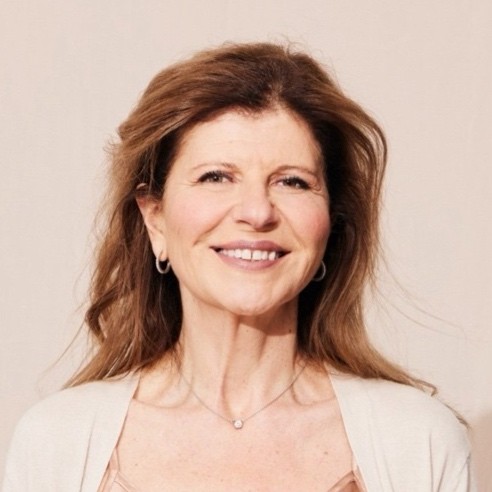
Moderator
SIMONA BENVENUTI
Director, Netherlands Advisory Board
12:00–13:00
Lunch
13:00–13:45
Untapped impact, mispriced risk, and the next growth cycle
Panel discussion
The Impact Stage
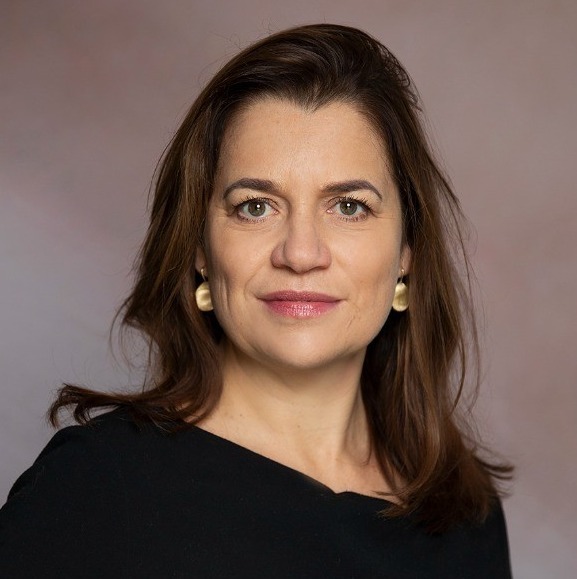
DIANA WESSELIUS
Managing Director Multi-Asset Impact Investing,
Anthos Fund & Asset Management
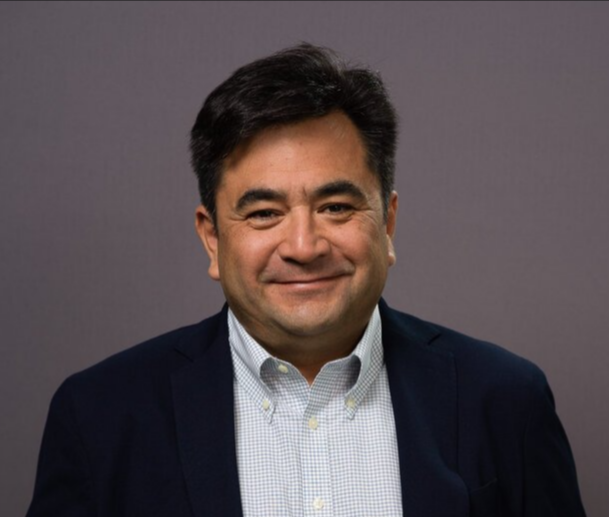
HECTOR GOMEZ ANG
Chief Investment Officer, Finance in Motion
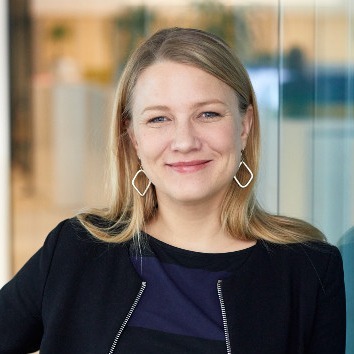
KAISA ALAVUOTUNKI
Chief Sustainability Officer, FinnFund
.jpeg?width=400&height=400&name=Matej-Lednicky_Head_of_Transaction_Sustainable_Infrastructure_KGAL%20(002).jpeg)
MATEJ LEDNICKY
Head of Transaction Management Infrastructure, KGAL Investment Management
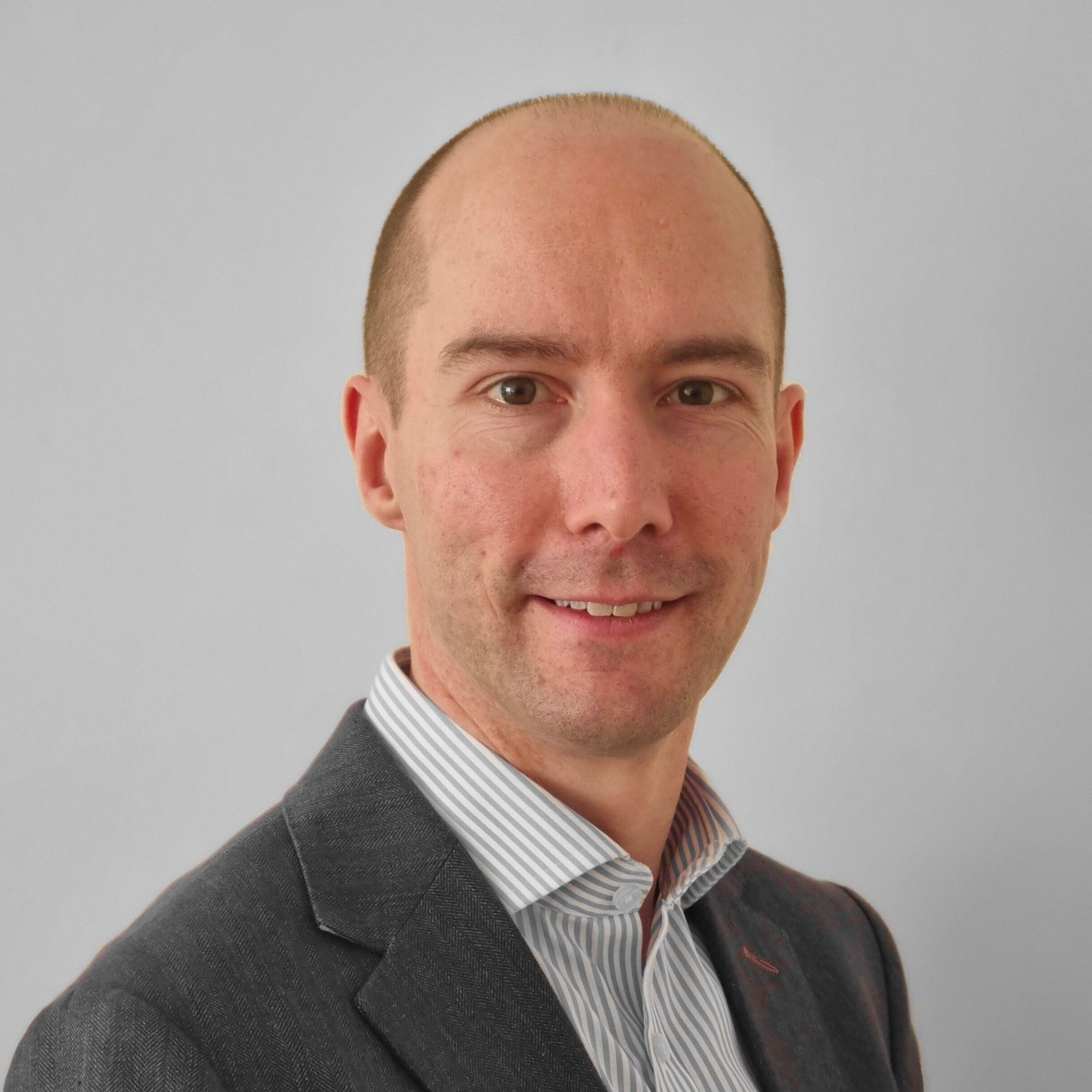
SIMON COOKE
Head of Impact Debt, Ashmore Group
Moderator
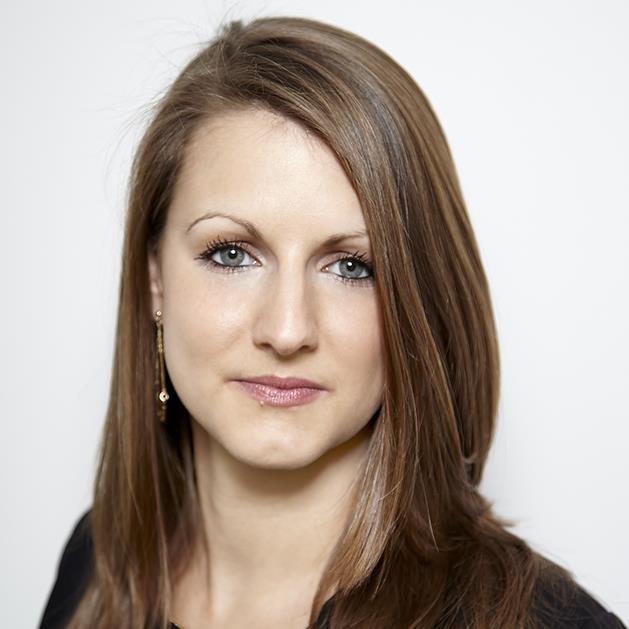
KRISZTINA TORA
Managing Director, GSG Impact
The great wealth transfer
Round table: Family office & Wealth Manager & HNWI
Impact Toolbox
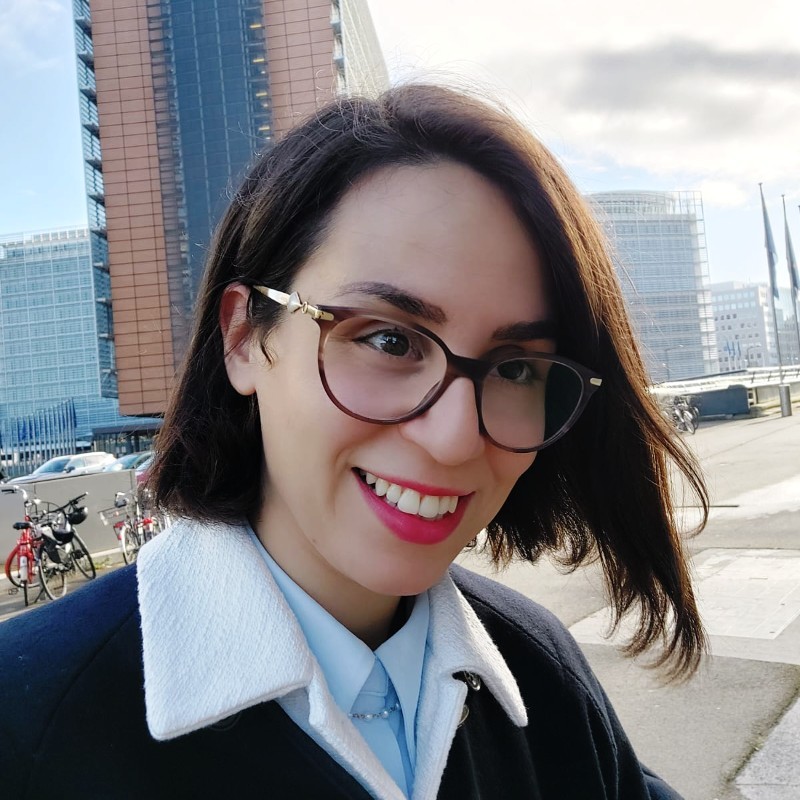
ELENI THEODOROU-ADMIRAAL
Managing Director, We Share Forward Foundation
FERNANDO RUSSO
Founder & General Partner, Meraki Impact
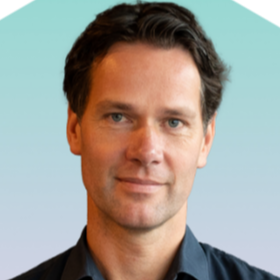
MATTHIJS BLOKHUIS
Managing Director, Noaber Foundation
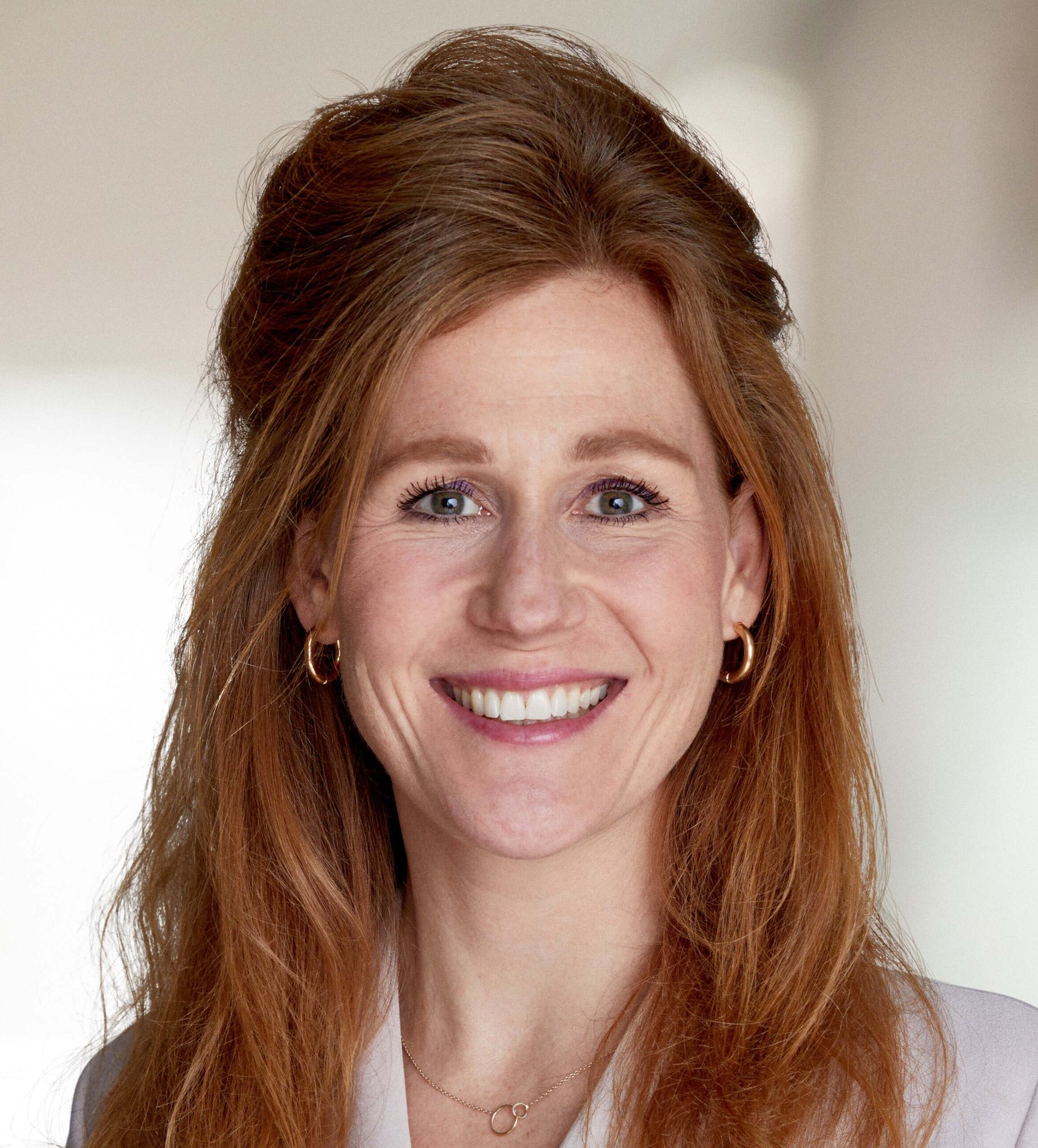
WIEKE MAARLEVELD
Head of Clients & Proposition Management, Van Lanschot Kempen
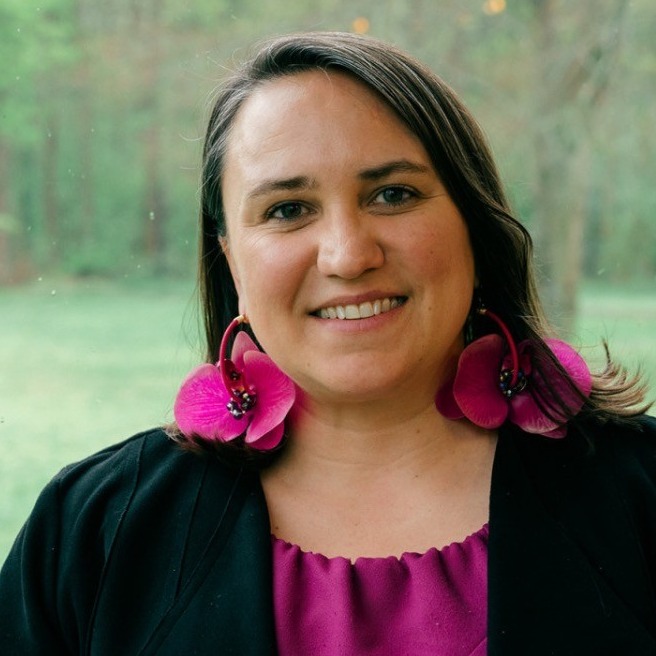
Moderator
SUZANNE ROSMAN
Director, PYM
13:45–14:10
Coffee Break
14:10–14:55
Financing Natural Capital: Forestry, Biodiversity & Carbon
Panel discussion
The Impact Stage
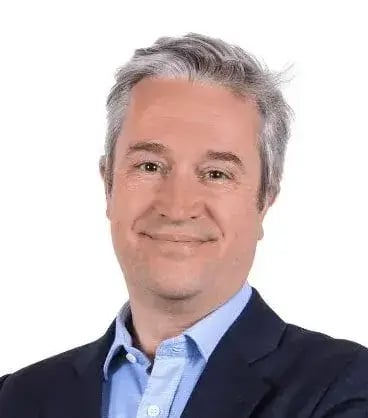
ARNAUD FILHOL
Co-Founder & Co-CEO, France Valley
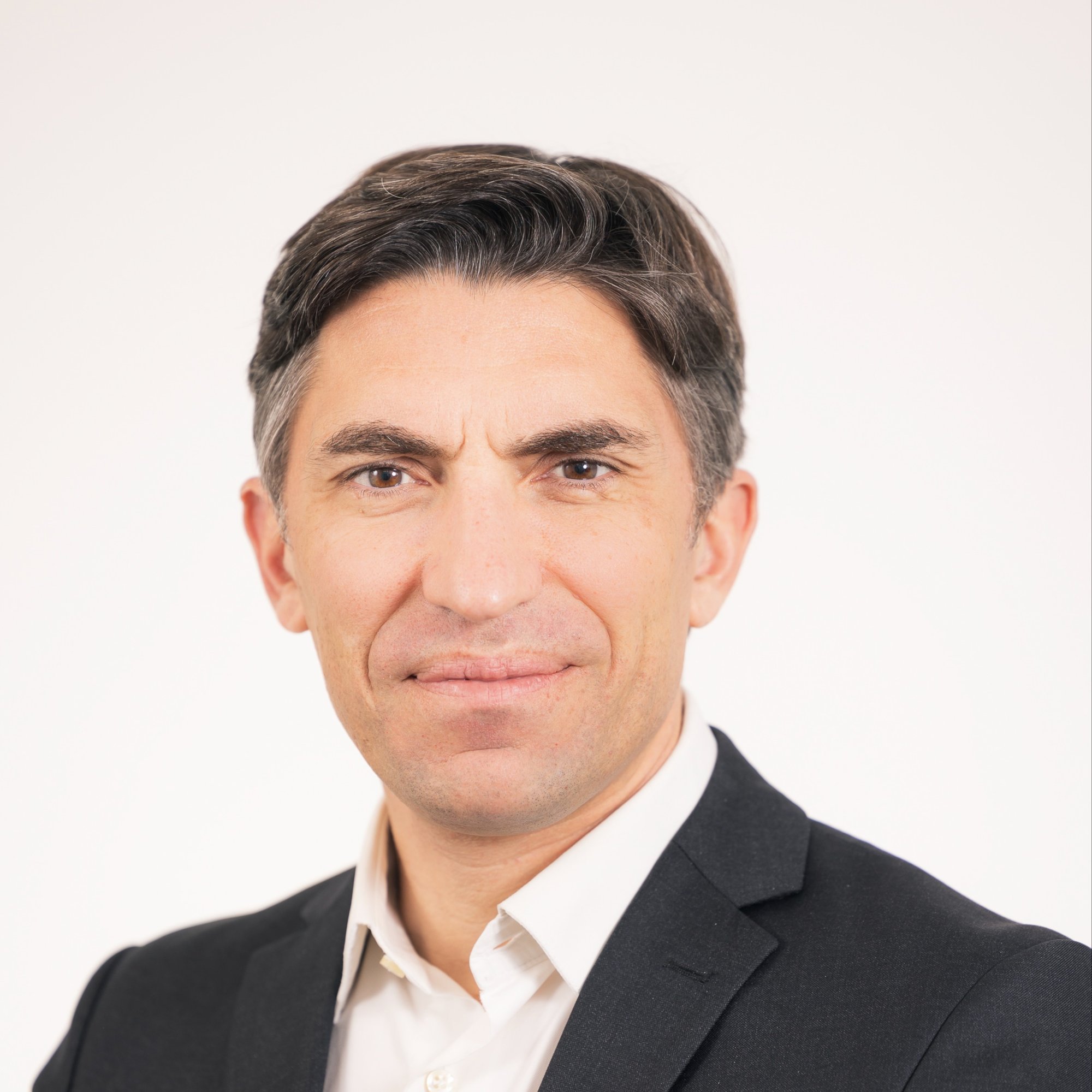
GAUTIER QUÉRU
Managing Director Natural Capital, Mirova
KOSTIS TSELENIS
Managing Partner, Swiss Impact Office
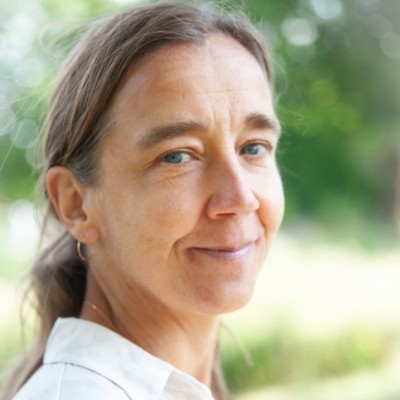
MARIEKE FRANCOIS
Co-Founder, Kosmos Impact
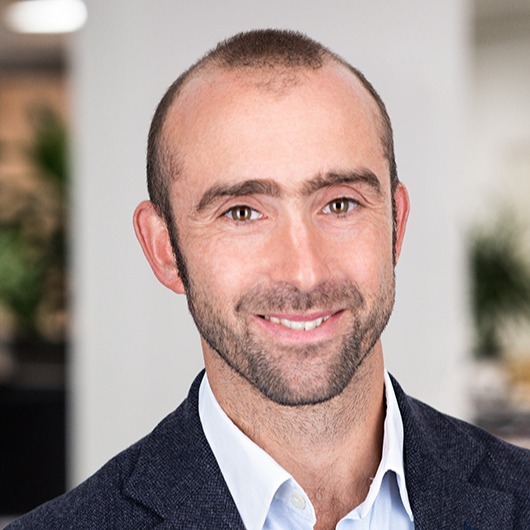
MATT ROBINSON
Senior Finance Adviser, Landscape Finance Lab
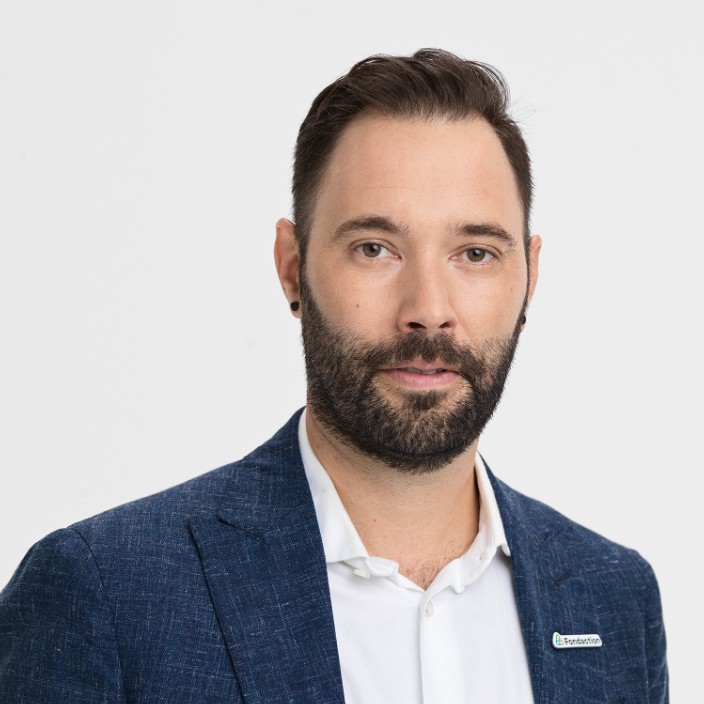
PHILIPPE CRETE
Managing Director, Fondaction Gestion d’Actifs
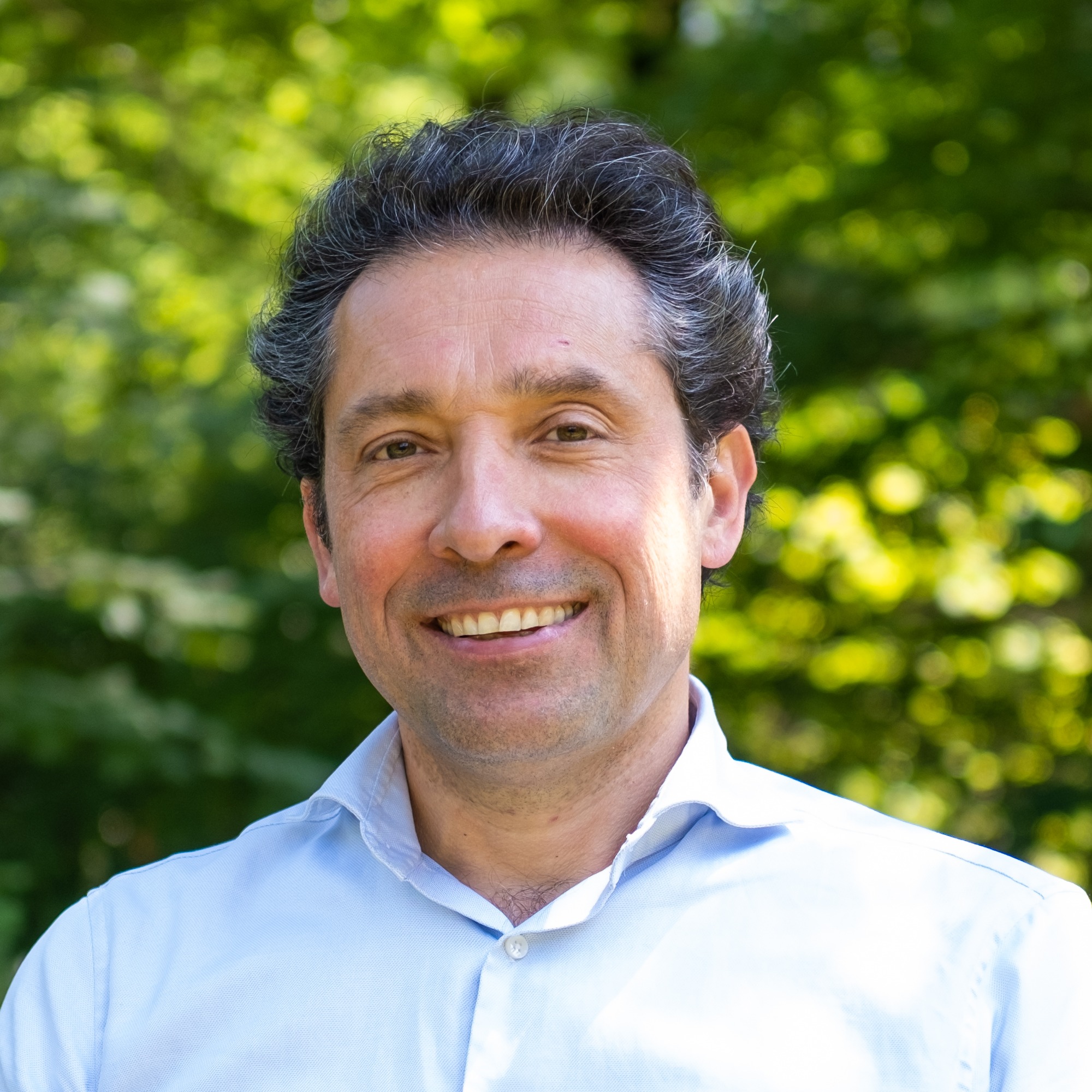
Moderator
AARON VERMEULEN
Global Practice Lead Finance, WWF
Faith-based investors taking lead
Panel discussion | Faith-based investing
Impact Toolbox
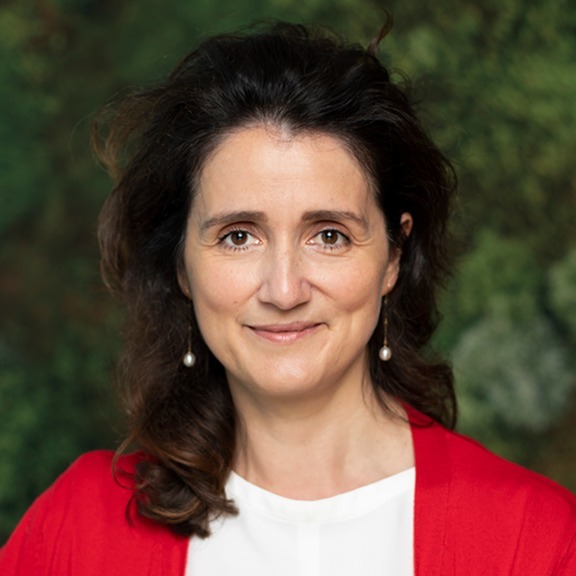
JELENA STAMENKOVA VAN RUMPT,
Head of Responsible Investment, Anthos Fund & Asset Management
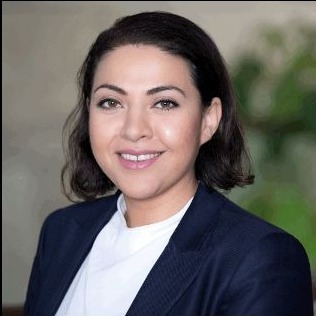
RAWAN ZIADAH
Manager Legal, FMO
VANESSA MORPHET
Head of Social Impact Investment, Church of England
Moderator
GRAHAM SINGH
CEO, Releven
14:55–15:10
Logistics Break
15:10–15:50
Deep tech for climate & resilience
Interactive discussion
The Impact Stage
ALEXANDER RUESCH
Investor Relations Director, Luxcara
LIZA RUBINSTEIN MALAMUD
Co-founder & Chief Climate Impact, Carbon Equity
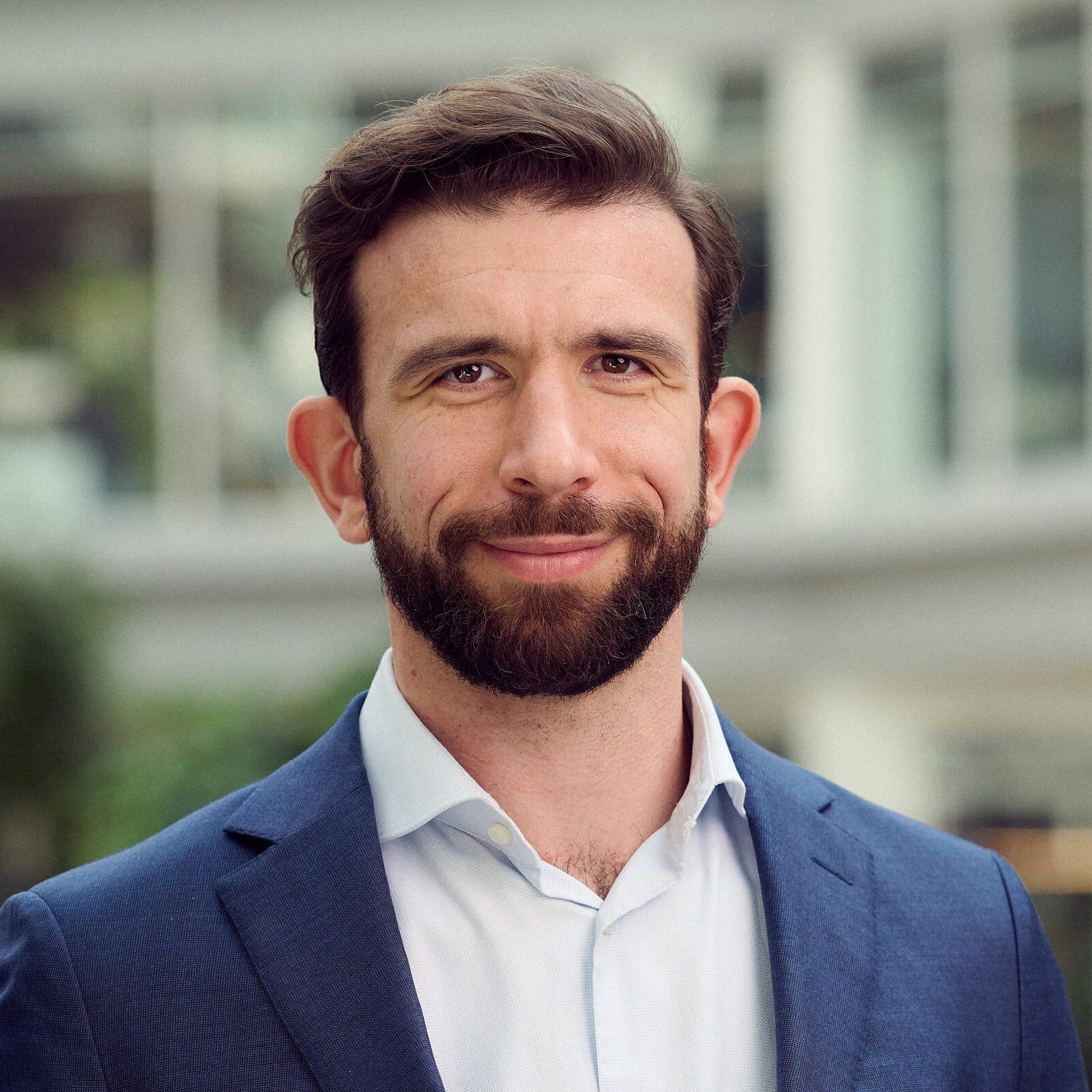
MATTEO MILLONE
Senior Responsible Investment Portfolio Manager - Global Private Equity, APG Asset Management
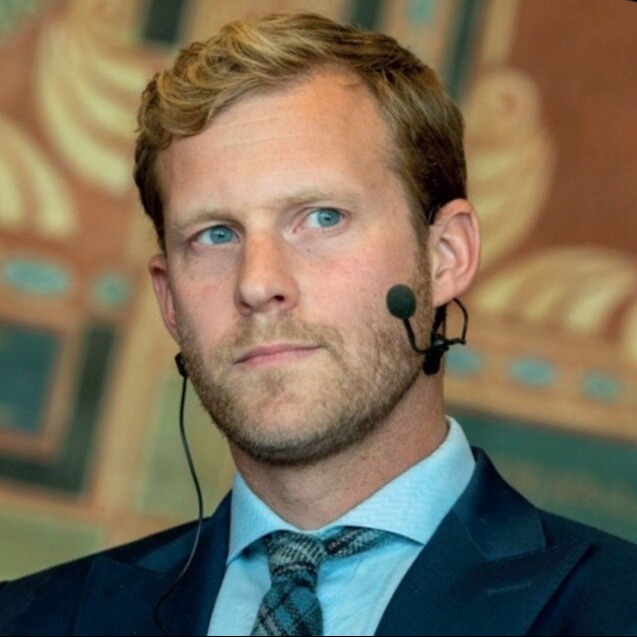
PETER VAN DEN TOL
Senior Advisor Impact Investing & Responsible Investing in Real Assets, MN
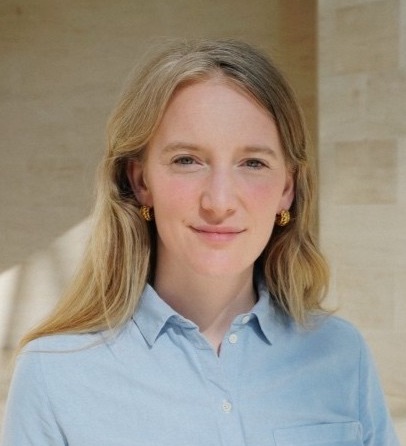
Moderator
ANNA FINIZIO
Investment Manager, Green-Tech and Social Impact, European Investment Fund
15:50–16:00
Closing adress
The Impact Stage
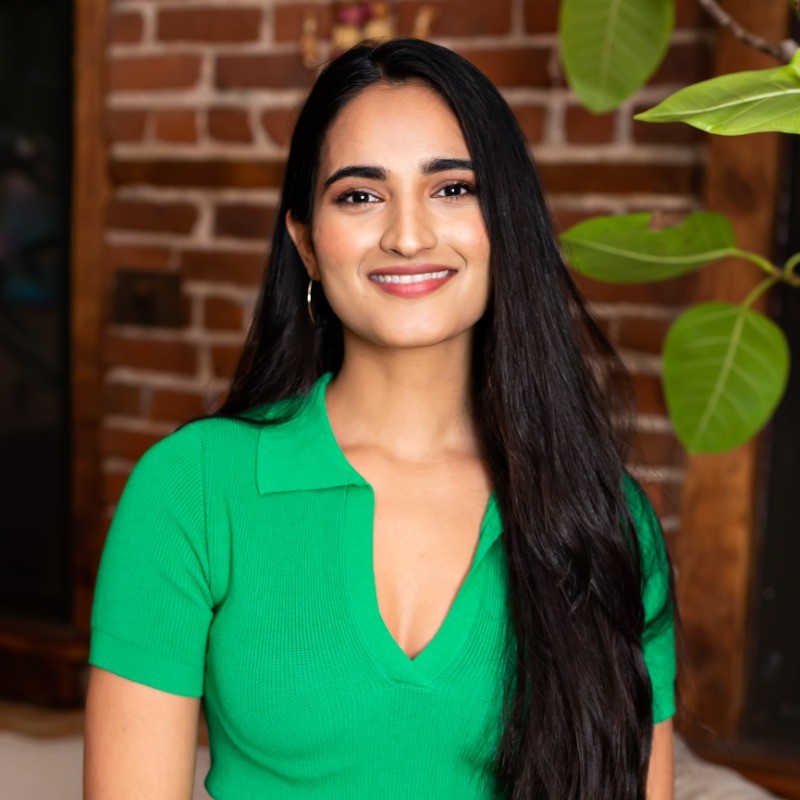
PRACHI MODI
Head of Investor Relationship & Programming, Phenix Capital Group – Impact Events
YANA KALOSHINA
Managing Director, Phenix Capital Group – Impact Events
16:00–17:00
Closing Reception
ADVISING COMMITTEE 2026
.png)
Birgitte Frost Mathiesen
Managing DirectorInvest for Impact Denmark
Dimple Sahni
Managing Director Multi Asset Impact InvestingAnthos Fund & Asset Management
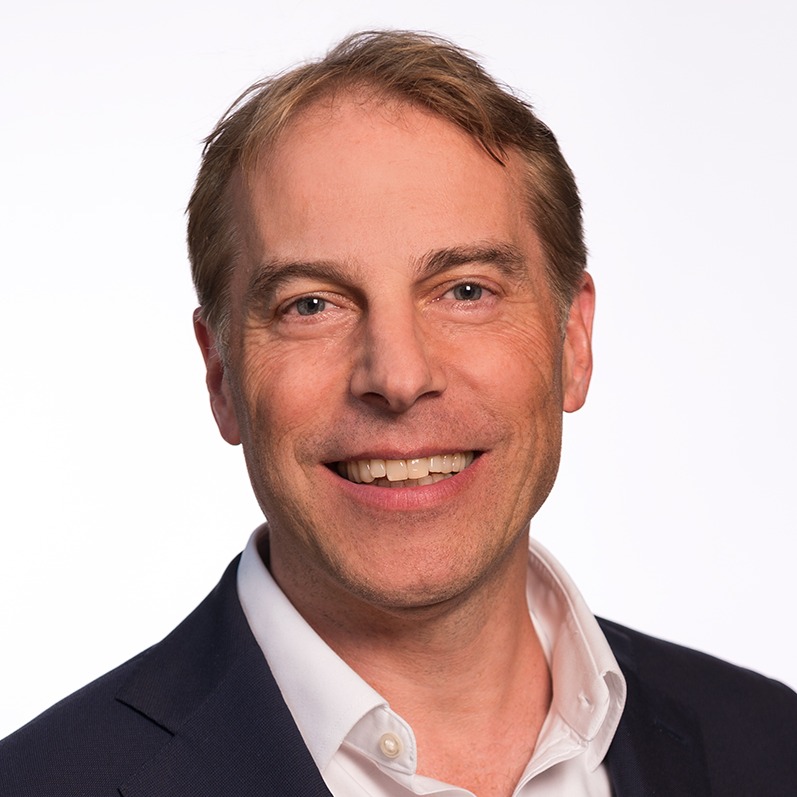
Floris Lyppens
Managing DirectorABN AMRO Group
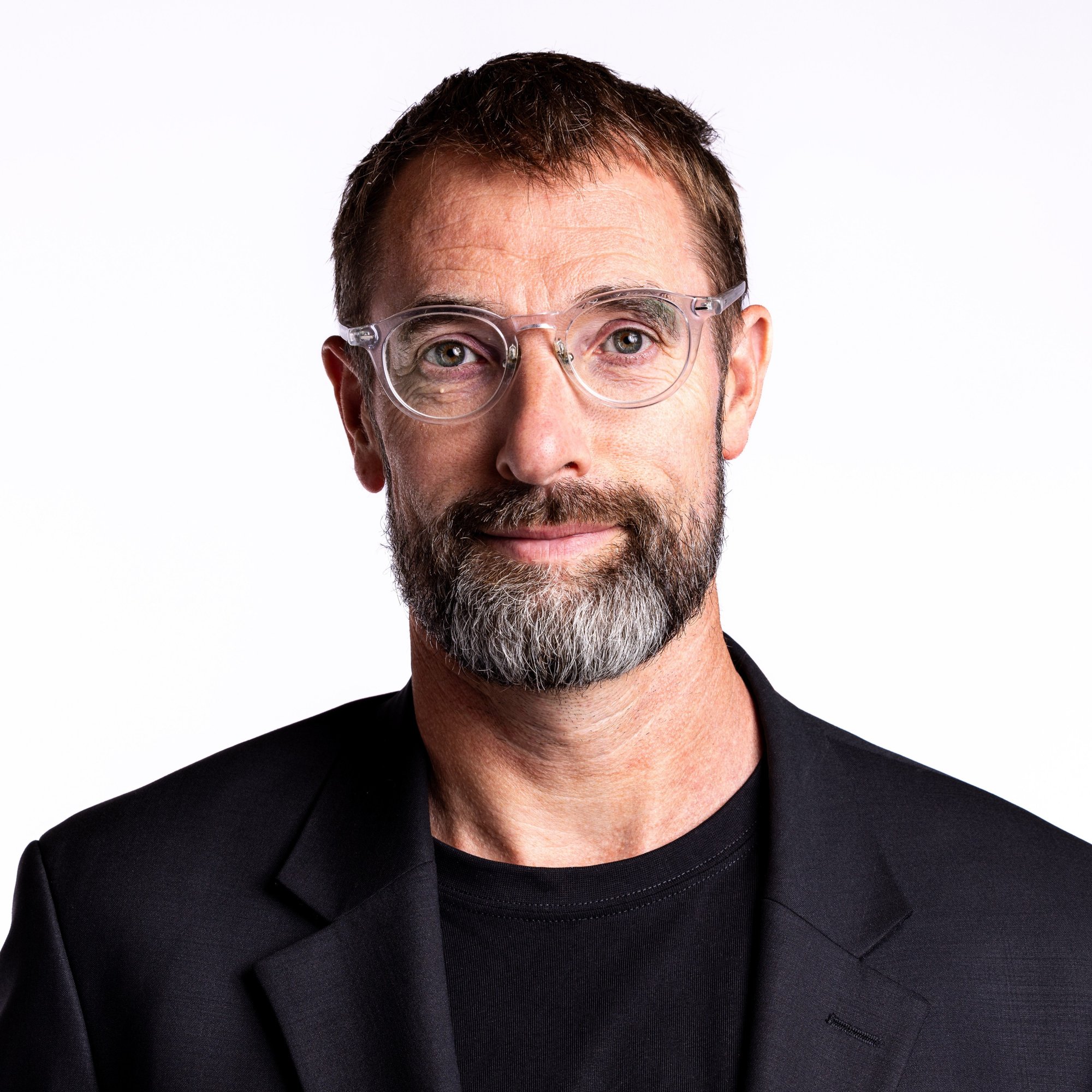
Hans Stegeman
Chief EconomistTriodos Bank
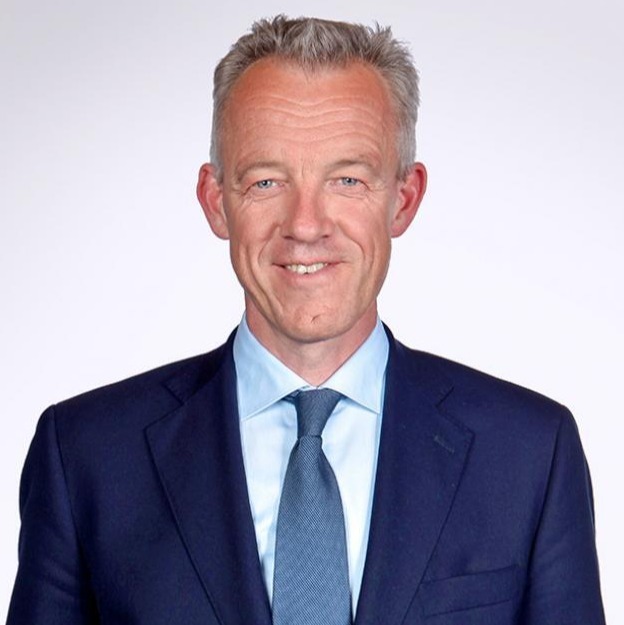
Lars Dijkstra
Chief Investment OfficerPGGM
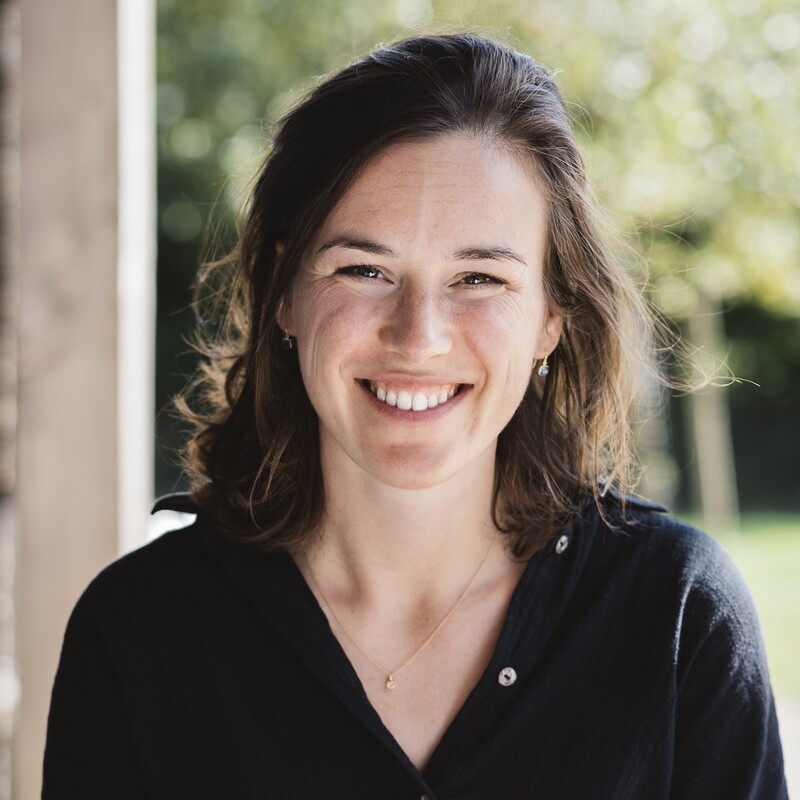
Liza Rubinstein
Co-Founder & Chief Strategy & Climate ImpactCarbon Equity
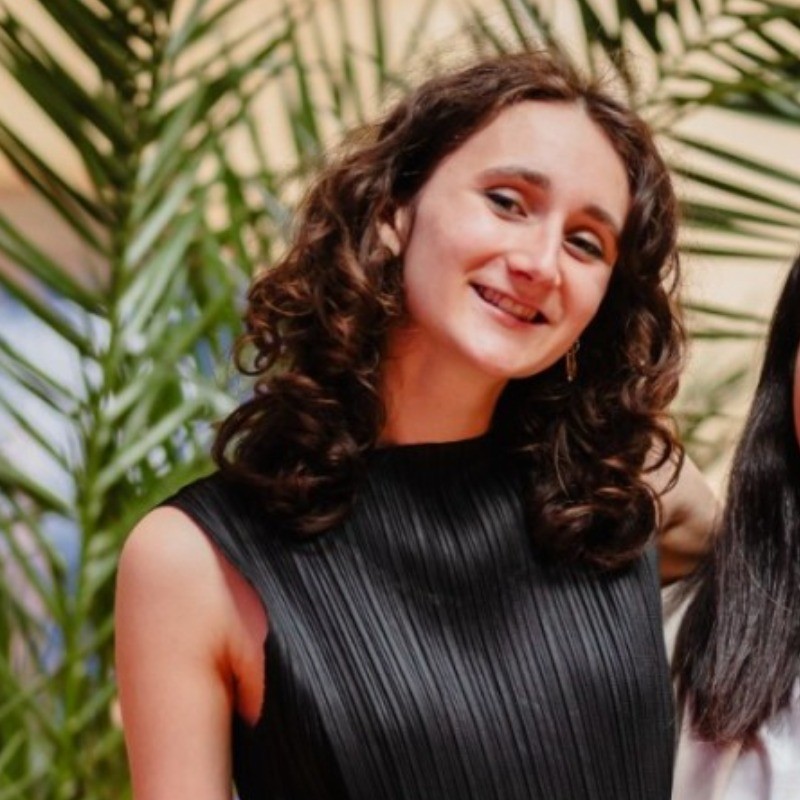
Noémie Metz-Vinez
ESG AnalystColumbia Threadneedle
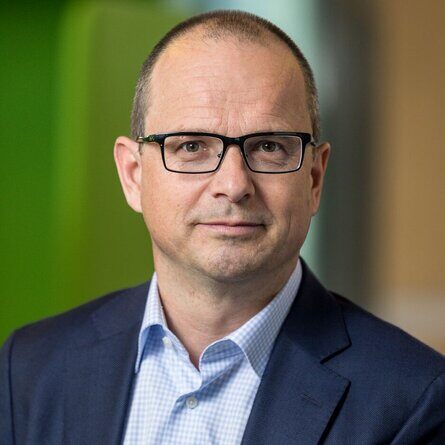
Piet Klop
Head of Responsible InvestmentPGGM
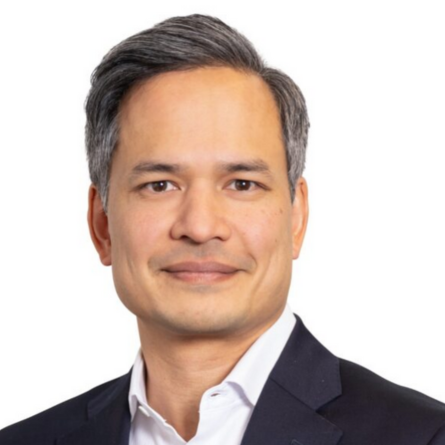
Ratana Tra
Senior Investment DirectorCambridge Associates
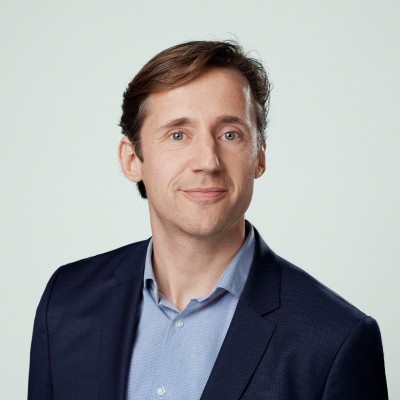
Remco van Montfoort
Team Lead Public–Private PartnershipsInvest-NL
Robert Brown
Founder & Chief Research OfficerImpact Evaluation Lab
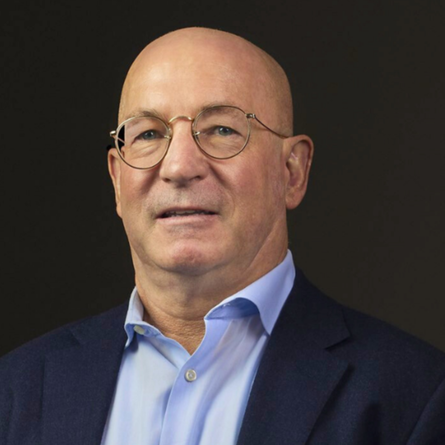
Temple Fennell
PrincipalKeller Family Office
Birgitte Frost Mathiesen
Managing Director
Invest for Impact Denmark
Dimple Sahni
Managing Director Multi Asset Impact Investing
Anthos Fund & Asset Management
Floris Lyppens
Managing Director
ABN AMRO Group
Hans Stegeman
Chief Economist
Triodos Bank
Liza Rubinstein
Co-Founder & Chief Strategy & Climate Impact
Carbon Equity
Ratana Tra
Senior Investment Director
Cambridge Associates
Remco van Montfoort
Team Lead Public–Private Partnerships
Invest-NL
Robert Brown
Founder & Chief Research Officer
Impact Evaluation Lab